

Tuba in Orchestral Music
The tuba holds a significant place in orchestral music, serving as the foundation of the brass section and contributing depth to the overall sound. This instrument has a unique timbre that blends rich harmonics with an expansive range, allowing it to perform various roles within the ensemble. It not only provides support in the bass line but also occasionally steps into the spotlight with tuba solos and tuba concertos, showcasing its expressive capabilities.
Historically, the tuba evolved from earlier brass instruments, adapting and expanding as orchestral needs changed. Over time, advancements in design and construction transformed its role, allowing for greater versatility in performance. As orchestral repertoire grew, the tuba’s capabilities were harnessed in a myriad of styles, from traditional compositions to contemporary works. Tuba Evolution reflects a broader trend in orchestral music, where instrumentation continues to adapt alongside artistic innovation.
In analyzing the brass section, one observes the tuba serving both harmonic and melodic functions. Its ability to play in both registers allows composers to explore a wide spectrum of musical ideas. Tuba Techniques have developed, enabling musicians to manipulate tone and dynamics effectively. These aspects contribute significantly to the instrument’s prominence within orchestral settings. With careful mastery, tubists can command attention and evoke emotion, making it an essential component of modern orchestras.
The Tuba in Orchestral Music

The tuba serves as a foundational instrument within orchestral settings. Brass instruments play a critical role in shaping the overall sound of a symphony or concert band. In this context, the orchestral tuba offers both support and depth. Its rich, rounded tones contribute significantly to the ensemble’s harmonic framework. Additionally, the tuba provides a unique timbre that differentiates itself from other brass members.
Within the brass section, the tuba occupies the lowest register. This distinct positioning allows it to anchor harmonies and fill out the sound spectrum. When combined with trumpets and trombones, the tuba provides a fuller, more balanced texture. Its resonance can bring an added warmth and weight to orchestrations. Furthermore, the tuba’s powerful sound can often be heard in climactic moments, underscoring dramatic themes.
Ensemble playing showcases the tuba’s ability to both blend and project. While it often plays supportive lines, moments of prominence arise during passages that highlight tuba solos or feature distinct orchestral tuba parts. These instances allow for the instrument’s expressive capabilities to shine. Composers have written tuba concertos specifically to showcase the technical skill of soloists, displaying the instrument’s versatility beyond the orchestral context.
Musicians in a brass section must work cohesively to enhance the orchestral sound. Coordination with other brass instruments is paramount. The ability to blend dynamically throughout the performance showcases the tuba’s role as a harmonic foundation while still allowing for individual expression during solos. It balances the section, alerting listeners to its presence even in the softer passages. This balance fosters a cohesive sound within the broader ensemble, allowing for varied interpretations of the score.
Orchestral arrangements are enhanced by the tuba’s contributions, as it often participates in a myriad of orchestral textures. By utilizing techniques like pizzicato and legato, the tuba brings a dynamic range to the interpretation of a piece. Clarity and depth define its function, ensuring that the audience experiences a full spectrum of sound. In summary, the orchestral tuba is integral to the harmony and color in orchestral music.
Characteristics of the Orchestral Tuba

The orchestral tuba is a low brass instrument known for its robust and resonant sound. Constructed with a wide conical bore, it allows for a rich, warm timbre that can fill the orchestral space. Typically made of brass, its body is often coated in lacquer or silver plating, which enhances both its appearance and tonal quality. The tuba features a series of valves that facilitate the player’s ability to change pitch quickly, contributing to its versatility within a myriad of musical contexts.
Sound production on the tuba relies heavily on the player’s embouchure and breath control. A player generates sound by buzzing their lips into the mouthpiece, similar to other brass instruments. The instrument’s large size requires significant air support, allowing for powerful dynamics and broad ranges of expression. Notably, tuba solos can showcase the instrument’s lyrical potential, diverging from its standard role of supporting the bass lines in the brass section.
When comparing the orchestral tuba with other brass instruments, differences in timbre are prominent. The French horn, for instance, has a higher, more mellow sound, while the trombone offers a more direct and piercing quality. The tuba, with its low register, provides a foundation for the harmonic structure of orchestral pieces. Its range extends from the low Bb below the bass staff to as high as a concert Eb above middle C, allowing it to traverse both melodic lines and harmonic support.
Various playing techniques further distinguish the tuba from its brass counterparts. Players frequently employ mutes to alter timbre, creating contrasting effects suitable for musical passages. Additionally, multiphonics and glissandos introduce an avant-garde element to tuba concertos, expanding the expressive capabilities of the instrument. In orchestral music, this diversity enables composers to explore rich textures and create an intricate sound palette.
The role of the tuba in orchestral music often includes providing a solid backbone to the brass section. However, it is essential to recognize its capacity for soloistic expression. Highlighting this are numerous compositions focused entirely on tuba solos, which demonstrate not just technical prowess but also emotive power. Such works occasionally lead to the creation of entire tuba concertos, showcasing the instrument’s range and versatility in a soloistic context.
The Tuba’s Historical Development

The origins of the tuba can be traced back to the early 19th century. Its invention is often attributed to the desire for a deeper, more resonant voice within the brass section of orchestras. Before the tuba, brass instruments lacked the range and depth needed for orchestral compositions. The invention of the tuba in 1835 by Anton F. G. M. Wilhelm was a significant milestone. This new instrument provided composers with added sonority and texture.
Initially, the tuba had a limited repertoire. It was primarily utilized in military bands and brass ensembles. Composers such as Berlioz recognized its potential and began incorporating it into orchestral works. The tuba’s role began to evolve, becoming essential for harmonization and rhythmic stability across various styles of music.
The late 19th century marked another transformative period for the instrument. With the development of valved tubas, musicians gained greater control over pitch and articulation. This innovation allowed composers to write more complex tuba solos. Orchestras began to embrace the tuba’s expanding capabilities, integrating it more frequently into their brass ensembles.
The 20th century saw the tuba emerge as a legitimate solo instrument. Notable composers wrote tuba concertos, showcasing its lyrical and technical potential. The establishment of tuba competitions contributed to a growing appreciation for the instrument within academic circles. Musicians developed new techniques, expanding its expressive range.
Today, the orchestral tuba continues to be a vital component of the brass section. Its deep timbre complements other instruments and enhances the overall orchestra sound. Experimentation with various materials and designs has led to further advancements in the instrument. Renaissance in contemporary compositions has highlighted the tuba’s versatility and importance in orchestration. With each new composition, the tuba solidifies its place within the broader spectrum of orchestral music.
Tuba Solos in Orchestral Repertoire

Within the realm of orchestral music, the tuba occasionally steps into the spotlight, offering compelling solos that demonstrate its versatility and unique tonal qualities. Famous tuba solos can be found in a variety of notable works, revealing the instrument’s capabilities beyond mere accompaniment within the brass section.
One of the most recognized tuba solos appears in Symphonic Metamorphosis by Paul Hindemith. Here, the tuba showcases its rich, sonorous timbre in a solo passage that serves as a dialogue within the orchestral context. This piece exemplifies how composers can integrate the tuba to enhance the overall texture of the music.
Another significant work is the Tuba Concerto by Edward Gregson. Composed specifically for the instrument, this concerto spotlights the tuba’s technical prowess and lyrical capabilities. Gregson’s writing challenges the performer while simultaneously captivating audiences with an engaging melodic narrative.
Additionally, Prokofiev’s Symphony No. 5 includes a tuba solo that creates a moment of introspection amid more frenetic orchestral passages. Such instances highlight how composers utilize tuba solos to convey various emotional landscapes within their compositions.
Notable composers such as Richard Strauss have also included prominent tuba passages in their orchestral works. In Also sprach Zarathustra, the tuba contributes to the monumental brass section, enriching the sound palette and heightening the dramatic impact of the score. These instances underscore the depth of expression that the tuba can achieve in orchestral settings.
Moreover, the works of Aaron Copland feature moments where the tuba’s character is showcased. In Appalachian Spring, the instrument offers poignant melodic lines that resonate with the overall thematic material. Copland’s incorporation of the tuba solidifies the role of this brass instrument in conveying the narrative essence of American music.
Through these examples, it becomes evident how tuba solos contribute significantly to orchestral repertoire. Composers recognize the instrument’s potential for both melody and harmony, allowing it to emerge as a vital part of the orchestration. This elevates the tuba beyond a mere support role, placing it firmly in the narrative fabric of concert music.
Tuba Concertos and Their Impact

Notable tuba concertos play a significant role in expanding the repertoire for this brass instrument. Works by composers such as Ralph Vaughan Williams, Edward Gregson, and John Williams stand out as benchmarks in tuba literature. Each concerto highlights the capabilities of the tuba, showcasing its rich tonal qualities and technical flexibility.
The Vaughan Williams Tuba Concerto, composed in 1954, was one of the earliest concertos written specifically for the tuba. It departs from the preconceived notions of how this instrument operates in orchestral settings. Melodic lines in the first movement often depict a lyrical character, allowing the performer to display expressive tuba solos that charm audiences. In contrast, the second movement introduces vibrant rhythmic elements, exposing the brass section’s textural depth.
Gregson’s Tuba Concerto poses a contemporary approach, employing dissonance and complex rhythms. Written in 1977, it reflects the modern era’s compositional techniques while still bringing out the tuba’s lyrical potential. Each section invites the soloist to explore various registers and effects, thereby enriching the established tuba repertoire.
John Williams’ Tuba Concerto adds an additional layer of complexity. Premiered in 1985, this work integrates elements of film music with traditional concert styles. It illustrates the instrument’s versatility, blending humor and gravity seamlessly. Orchestral tuba collaborates with winds and strings in a way rarely seen, creating a dynamic interplay that captivates listeners.
Tuba concertos not only provide performers with chances to demonstrate their skills but also contribute to establishing the tuba as a solo instrument in classical music. Each concerto expands the technical and musical landscape. It invites the player to engage in improvisation and interpretation, offering the utmost challenge and satisfaction. To audiences and musicians alike, these works highlight the tuba’s legitimacy within orchestral frameworks.
The Role of the Tuba in Different Musical Styles
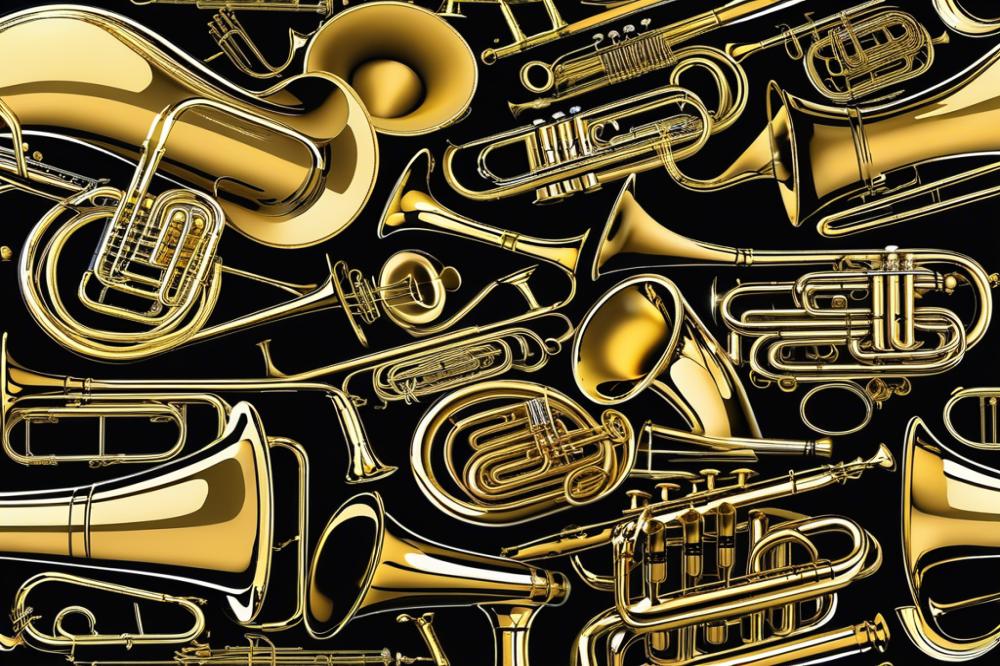
The tuba occupies a versatile position within orchestral music. Its sound palette allows it to traverse various genres seamlessly. In classical compositions, the brass section often emphasizes the tuba’s rich tonal qualities. Composers like Gustav Mahler and Richard Strauss have utilized the instrument for dramatic effect. Notable excerpts feature powerful melodic lines that contribute to the overall orchestral texture.
Contemporary orchestral works often showcase the tuba in novel ways. Composers experiment with extended techniques, pushing the limits of traditional playing. In these pieces, the tuba sometimes takes on a soloistic role, serving as a vehicle for expression. Tuba solos become pivotal moments, highlighting the instrument’s lyrical capabilities. The dynamic range expands, allowing for both subtlety and grandeur.
Modern interpretations of the tuba present a fascinating evolution. Today’s composers embrace the full spectrum of the instrument’s potential. Tuba concertos feature intricate dialogues with the orchestra, inviting new thematic explorations. This creates opportunities for soloists to display technical prowess while remaining harmoniously integrated with the ensemble. Such works often fuse classical elements with jazz influences, reflecting a broader musical landscape.
The role of the orchestral tuba can vary significantly across genres. In more traditional symphonic settings, it often anchors the harmonic foundation. Its deep timbre complements the higher brass instruments effectively. In contrast, contemporary compositions may require the tuba to engage in unorthodox interplay. Here, it responds to rhythmic and melodic cues, embodying greater flexibility.
In various genres, the tuba serves as a bridge between the brass section and the rest of the orchestra. Its rich resonance fills the gaps left by other instruments, creating unity. Composers recognize its ability to blend while also standing out. Therefore, part of the tuba’s charm lies in this duality. It can be both a supportive force and a prominent soloist, enhancing the overall orchestral experience.
As orchestral music continues to evolve, so does the perception of the tuba. Audiences are gaining appreciation for its distinct capabilities. Increasingly, it is showcased in diverse settings that reflect current musical trends. This shift indicates a growing understanding of the tuba’s contributions to the broader musical dialogue. Innovations in performance and composition will undoubtedly shape its future role within orchestral music.
Tuba in Contemporary Orchestral Compositions
Contemporary orchestral compositions have increasingly embraced the tuba as a significant voice within the ensemble. Modern composers frequently explore the instrument’s vast tonal range and unique timbral qualities. In recent works, the orchestral tuba often participates in more than mere accompaniment; it plays a pivotal role within the brass section.
Innovative pieces illuminate the tuba’s capacity for expressive solos. Composers like John Adams and Jennifer Higdon have written concertos that highlight the tuba’s range and agility. These compositions challenge traditional interpretations and provide ample opportunities for virtuosic expression. Moreover, contemporary orchestral works sometimes feature tuba in unexpected contexts, including jazz-infused pieces and avant-garde settings.
The integration of the tuba into various musical styles reflects a shift in compositional approaches. Many recent works utilize the tuba to evoke deep emotional landscapes. Additional explorations into extended techniques—such as multiphonics and glissandi—expand the language of the instrument. The tuba frequently interacts dynamically with other brass instruments, enhancing the overall richness of the orchestral palette.
Concertos specifically designed for tuba have gained prominence as well. These compositions not only showcase the tuba’s capabilities but also provide a platform for composers to experiment with structure and tonality. Engaging with soloists, these works often require extensive rehearsal, where the synergy between the tuba and orchestra becomes paramount.
In addition to concertos, numerous ensemble pieces incorporate the tuba in inventive ways. Collaborations within smaller chamber settings further highlight its versatility. In this setting, composers utilize the tuba’s lower register to create contrasting textures and add depth to harmonies.
Composers continuously reinterpret the tuba’s role, elevating it from a supporting position to one of prominence. The evolution of its use in contemporary orchestral music reflects broader trends within the genre that challenge norms and embrace diversity. This evolution indicates a promising future for the instrument as it continues to adapt and thrive in modern compositions.
The Future of the Tuba in Orchestral Music
The ongoing relevance of the tuba in orchestral settings remains evident. Its role within the brass section is critical, often providing harmonic support and depth to orchestral arrangements. The instrument’s versatility allows for a wide range of expression, from powerful ensemble passages to delicate tuba solos. This duality ensures that the tuba maintains its importance in modern orchestras.
As audiences become increasingly accustomed to varied musical experiences, composers are exploring new possibilities for the tuba. Contemporary works often feature tuba concertos that push the boundaries of traditional playing techniques. Such compositions challenge performers and engage listeners, thus cultivating a greater appreciation for this brass instrument.
Educational opportunities for aspiring tubists are evolving as well. Music programs are introducing innovative curricula that emphasize both solo and orchestral playing. Masterclasses with established professionals can enhance skills, yielding more proficient players prepared for orchestral challenges. Enhanced access to digital resources also contributes to a more informed generation of musicians.
Trends indicate that collaborations between composers and tuba players will increase. This partnership could lead to a richer repertoire, highlighting the instrument’s capability to convey complex emotions. Furthermore, the growing interest in genres such as film and electronic music may present new avenues for tuba incorporation, expanding its traditional boundaries.
Maintaining a focus on outreach can attract younger audiences to the tuba. Performances that demonstrate the instrument’s broad musical range can capture interest. Community orchestras may play a pivotal role by presenting various genres and incorporating tuba sections in unconventional pieces.
Technological advancements will likely influence how tubists approach their craft. Innovations in instrument design may enhance sound quality and ease of play, making the tuba more approachable for new musicians. Social media platforms facilitate connections among players, sharing techniques and fostering a sense of community.
The Tuba’s Integral Role in Orchestral Music
The tuba occupies a critical space within the realm of orchestral music, serving as the foundation for both the brass section and the overall texture of orchestral arrangements. Its deep, resonant tones are indispensable for establishing harmonic depth and richness. As part of the Tuba Family, this instrument also complements the higher brass voices, creating an interplay that is crucial for achieving a balanced sound. In many compositions, the tuba provides essential counter-melodies and rhythmic support that enhance the orchestra’s dynamics.
Harmonic stability is another important contribution of the tuba. When integrated into ensembles, it offers a sonorous underpinning that anchors the ensemble, allowing the woodwinds and strings to soar above. Composers often rely on the tuba’s capabilities to fill out the low brass spectrum, which adds serenity and grandeur to the composition. Its role extends beyond mere accompaniment, as it frequently engages in melodic lines, showcasing both lyrical and vigorous passages.
Advanced Techniques employed by skilled tuba musicians further elevate its significance in orchestral settings. Players may utilize slurring, multiple tonguing, and varied articulation to produce a spectrum of colors, enhancing expressiveness. Such techniques enable the tuba to perform alongside other instruments in a nuanced interplay, contributing to the overall artistic vision of the piece. The ability of the tuba to switch effortlessly from powerful statements to softer, more intimate expressions underscores its versatility.
Encouragement exists for audiences and musicians alike to explore the tuba’s role further. Understanding its contributions deepens appreciation for orchestral music as a whole. The instrument’s presence may often go unnoticed amidst the vibrancy of other sections, yet its impact is undeniable. Engaging with the tuba, whether through listening to performances or considering its technical aspects, reveals the depth of artistry involved in orchestral compositions.
In summary, the tuba’s integral role in orchestral music is a testament to its importance within the brass section. Its ability to enrich the overall sound while providing a unique blend of foundation and flexibility truly makes it a cornerstone of orchestral performances. Engaging further with this remarkable instrument opens up new avenues of appreciation and understanding within the world of orchestral music.

