

Introduction
The trombone holds a vital role in jazz music, acting as a bridge between rhythm and melody. Its slide mechanism allows for expressive glissandos, creating a sound that can convey deep emotion. This instrument stands out for its versatility, blending seamlessly into various styles, from big band to bebop. Many other brass players may rely on valves to produce their notes, but the trombone’s unique capabilities enable improvisation that adds richness to ensembles.
Key figures emerge from the tapestry of jazz, particularly trombone players who have shaped the genre. The contributions of artists like J.J. Johnson and Slide Hampton are especially noteworthy. Their dedication transformed Jazz Trombone into a primary voice in ensembles, rather than merely an accompaniment. J.J. Johnson, often hailed as a pioneer, revolutionized Jazz Trombone solos by incorporating advanced harmonics and intricate improvisational techniques. His work laid a foundation for future musicians, allowing the trombone to emerge as a leading instrument.
Equally significant, Slide Hampton pushed the boundaries of trombone history through innovative arrangements and compositions. He embraced complex rhythmic structures and harmonic explorations, which enriched the vocabulary of Jazz Techniques. Players looking to expand their sound owe much to the groundwork laid by these artists. In doing so, they have bolstered the trombone’s reputation within the jazz genre, elevating it from a background role to a celebrated centerpiece. As jazz continues to evolve, the contributions of these trombonists resonate, ensuring lasting influence for years to come.
The Origins of Trombone in Jazz

The trombone carries a rich history intertwined with the development of jazz music. Originating in the 15th century, the instrument transitioned from classical settings to the vibrant jazz scenes of the 20th century. Its unique slide mechanism distinguishes it from other brass instruments, allowing for expressive glissandos and nuanced tones. As jazz emerged, the trombone found a significant place, contributing distinct sounds and styles that have shaped the genre.
Early adopters of the trombone in jazz include key figures such as Kid Ory and Tommy Dorsey. These musicians pioneered techniques that would later influence countless players. Ory, rooted in New Orleans jazz, showcased a style that emphasized rhythm and improvisation. Dorsey, on the other hand, combined lyrical playing with big band elements, setting a standard for future generations. As they performed, the trombone evolved, giving rise to new approaches and expanding its role in ensembles.
New Orleans served as a crucible for jazz innovation, profoundly affecting trombone playing styles. The city’s vibrant musical landscape fostered spontaneous expression and collective improvisation. Slide Hampton’s work exemplifies this blend of tradition and innovation. He incorporated bebop elements alongside traditional Jazz Techniques, pushing stylistic boundaries. In this environment, jazz trombone solos became opportunities for individual expression, enhancing the instrument’s significance within the genre.
The development of trombone history in jazz cannot be overlooked. As the genre evolved, so did the roles and techniques of trombone players. Musicians like J.J. Johnson became pivotal in integrating the trombone into modern jazz contexts. His approach revolutionized soloing with a focus on melodic and harmonic sophistication. This marked a shift from traditional playing styles towards a more complex foundation, influencing future players significantly.
J.J. Johnson: The Pioneer of Modern Jazz Trombone

Biography and Career Overview
J.J. Johnson emerged as one of the most influential trombone players in jazz history. Born on January 22, 1924, in Indianapolis, he showed musical talent early in life. After moving to New York City in the 1940s, he began establishing himself in the jazz scene. Working with renowned ensembles, Johnson gained notoriety for his virtuosic playing and innovative artistry. His collaborations with artists like Dizzy Gillespie and Thelonious Monk pushed the boundaries of trombone music. Over the years, his career flourished, and he became synonymous with modern jazz trombone.
Innovations in Technique and Improvisation
Innovations marked Johnson’s approach to technique. He transformed the trombone’s role in jazz, elevating it from mere accompaniment to a vital lead instrument. His command of various mutes allowed for an array of tonal colors, enhancing his improvisational skills. In many ways, J.J. redefined the jazz trombone solo. The complexity and intricacy in his solos became a blueprint for future players. Additionally, he utilized advanced harmonic structures that enriched the listener’s experience. His ability to blend bebop elements with traditional jazz made his style distinctly captivating.
Impact on Jazz Trombone Solos and Education
Much of Johnson’s legacy lies in his influence on subsequent generations of trombonists. Slide Hampton, for instance, emerged as a notable player inspired by J.J.’s work. Johnson’s recordings remain essential listening for aspiring musicians aiming to understand what the trombone can achieve in jazz. His educational contributions have shaped curriculum in music schools, focusing on improvisation and technique. By mentoring young artists, he helped develop a new appreciation for the instrument. His meticulous approach to jazz trombone solos has carved a significant niche within trombone history. The expressive power he wielded and his dedication to the craft continue to resonate today.
Slide Hampton: Master of the Trombone
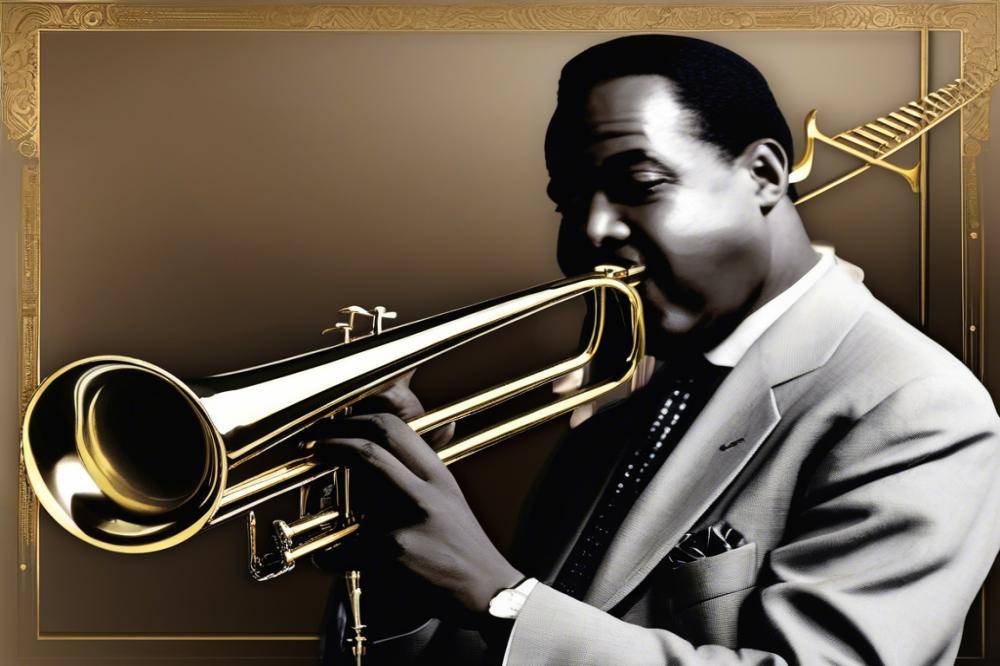
Biography and contributions to jazz
Born in 1932 in Jeannette, Pennsylvania, Slide Hampton emerged as a pivotal figure in jazz trombone. His early exposure to music came from a family deeply rooted in the art. At a young age, he began to explore the trombone, developing a passion that would propel him into the limelight. Throughout his career, he collaborated with notable figures in jazz, including the innovative J.J. Johnson. This partnership not only showcased his skills but also contributed to the evolution of trombone history.
Hampton’s contributions to jazz are extensive. Not only did he perform, but he also composed and arranged music that reshaped the sound of big bands. His influence extended across various ensembles, demonstrating versatility and a deep understanding of the genre. The artistry displayed in his performances and compositions provided a new language for trombone players, fostering a rich tradition within jazz music.
Unique style and notable works
Characterized by a vibrant, fluid sound, Slide Hampton’s style stands out among his contemporaries. Mastery of technique complements his emotional depth, allowing him to convey intricate narratives through his instrument. Jazz trombone solos reveal his improvisational prowess and artistic sensitivity. Among his notable works are pieces like “The New Trombone” and “Roots,” each exemplifying his innovation and creativity.
Performances with ensembles such as the Lincoln Center Jazz Orchestra exhibit his leadership within the jazz community. His arrangements, particularly those for large orchestras, display a keen understanding of orchestration and balance. Hampton’s ability to weave complex harmonies into accessible forms has garnered the respect of musicians across generations.
Influence on contemporary trombone players
Numerous trombone players today cite Slide Hampton as a significant influence. His emphasis on individual expression and intricacy has inspired many to push the boundaries of their craft. Aspiring musicians often view his recordings as essential listening, studying his techniques and interpretations. The impact on modern jazz is evident in the works of rising stars who strive to emulate his blend of tradition and innovation.
Within educational contexts, his teachings impart valuable insights into the art of jazz trombone. Workshops and masterclasses led by Hampton have further disseminated his knowledge. Through mentoring, he continues to enrich the lives of young artists willing to explore the depths of jazz music.
Talent is not merely bestowed; it is cultivated. Slide Hampton’s legacy lies in his unwavering commitment to the trombone and its place in jazz history. His journey serves as a reminder of the power of music to inspire and connect across generations.
Notable Trombone Players in Jazz History
Numerous influential trombone players have significantly shaped the landscape of jazz. Among these artists, Frank Rosolino stands out for his exceptional technique and expressive playing style. Renowned for his engaging jazz trombone solos, he blended innovative improvisation with a robust tone. Many admire Rosolino’s ability to convey emotion through his instrument, resulting in performances that resonate with audiences. His compositions, including “Frank’s Flight,” showcase a distinct rhythmic drive, further cementing his importance in trombone history.
Another key figure is Al Grey, known for his powerful presence in big bands and small ensembles alike. Throughout a career spanning several decades, Grey contributed to iconic recordings with artists like Count Basie and Duke Ellington. His guttural sound and dynamic phrasing brought a new voice to the trombone. Al Grey’s enthusiastic approach allowed him to push boundaries, exploring the instrument’s capabilities. His work paved the way for future generations, highlighting the trombone’s versatility in jazz.
Bob Brookmeyer also played a pivotal role in shaping modern jazz trombone. As both a performer and arranger, his contributions are multifaceted. Brookmeyer’s compositions often integrated elements of bebop and avant-garde, pushing the genre into new territories. His innovative use of harmony changed the way improvisation was approached. The blend of traditional and contemporary styles within his music has inspired countless trombonists to explore their own artistic paths. J.J. Johnson’s legacy influenced Brookmeyer, creating a continuum in trombone artistry.
Slide Hampton represents another essential voice in the canon of trombone history. His contributions as a composer and bandleader highlight the instrument’s collaborative potential within ensembles. Hampton’s textured arrangements and masterful skills have led to numerous memorable performances. The synergy he fosters among musicians showcases the trombone not merely as a solo instrument but as part of a larger dialogue in jazz. His focus on group interplay has shaped how trombonists are perceived within ensembles.
Each of these artists has left an indelible mark on jazz, broadening the scope of what the trombone can express. Their diverse styles and techniques have fostered a rich tradition that continues to inspire today’s musicians. The evolution of jazz trombone, as influenced by Rosolino, Grey, Brookmeyer, and Hampton, illustrates the depth and complexity of this unique instrument. The ongoing dialogue among trombonists reflects a continuous striving for artistic excellence.
The Role of Trombone in Jazz Ensembles
The trombone occupies a distinctive role in jazz music, especially within big bands and combos. Sections of trombones in these ensembles typically create a rich tapestry of sound that significantly enhances the overall texture. When combined harmoniously, the varied timbres produced by trombones deepen the emotional impact of any arrangement. Their ability to slide between notes introduces a unique expressiveness that enlivens performances.
Jazz trombone solos often serve as a focal point in many pieces. Notably, J.J. Johnson revolutionized the instrument’s role by pushing boundaries through innovative techniques. His use of syncopation and lyricism inspired numerous trombonists to explore their musical voice with greater freedom. Iconic performances demonstrate how trombones contribute not only melody but also essential harmonic layers that support the entire ensemble.
In the context of large orchestras, group dynamics are crucial. Slide Hampton, another influential figure in the trombone world, has arranged compositions that emphasize the instrument’s capacity for both melodic and harmonic functions. His work showcases the trombone’s versatility—serving as a lead voice or a supportive harmony that intertwines seamlessly with other brass and woodwinds. Examining his contributions reveals a deep understanding of orchestration that elevates the entire band.
Several arrangements throughout jazz history spotlight the trombone’s capabilities. Pieces like Duke Ellington’s “Mood Indigo” feature haunting trombone passages that demonstrate the instrument’s capacity for storytelling. These melodic lines resonate with listeners, leaving a lasting impression long after the performance concludes. Moreover, compositions that incorporate jazz trombone solos underscore the instrument’s significance within broader musical narratives.
Ultimately, the trombone’s role in jazz ensembles is multifaceted. It bridges gaps between melody and harmony, creating a cohesive sound essential to the genre. Understanding this instrument’s contributions through historical and contemporary lenses provides insight into its power and relevance in jazz music.
Signature Jazz Trombone Solos
Analysis of Iconic Trombone Solos in Jazz History
Many notable solos have shaped the landscape of jazz and its evolution. J.J. Johnson, one of the foremost trombone players, revolutionized the way the instrument is perceived in jazz. His solo in “Godchild,” for instance, exemplifies the marriage of technical prowess with emotional depth. Mastery of rhythm and phrasing allows the trombone to speak with a voice that resonates beyond its brass constitution. Other players, like Slide Hampton, have contributed memorable solos that highlight the trombone’s versatility. Through varied styles, these innovative artists pushed boundaries, expanding the role of trombone in ensemble settings.
Breakdown of Famous Tracks and Their Significance
Take “The Peanut Vendor” by Johnson; this track ports the listener to a lively scene full of syncopation and excitement. The arrangement features a rich tapestry of textures, with the trombone shining through. Johnson’s improvisations instill a sense of urgency that keeps audiences captivated. “A Lush Life,” performed by Slide Hampton, showcases another dimension of trombone playing. Here, the emotional weight of each note evokes memories, forging a deep connection with the listener. Each of these tracks represents a pivotal moment in trombone history, offering insights into the genre’s thematic depths.
How These Solos Showcase Trombone Technique and Emotional Expression
Techniques employed in these solos illustrate the instrument’s capabilities. Glissandos, for example, provide a sliding effect that transforms simple phrases into expressive dialogues. Each artist employs different articulations that enhance the emotional storytelling within the piece. Harmonies are deftly interwoven with intricate rhythms, compelling the listener to engage fully with the performance. Notably, trombone solos are not merely showcases of technical skills; they also reflect personal journeys and experiences. The depth of feeling conveyed in a solo often transcends the complexities of rhythm and melody, cementing the trombone’s place in jazz.
The Future of Trombone in Jazz
Contemporary Trombone Players to Watch
A new generation of trombone players is reshaping the landscape of jazz today. Artists like trombonist Michael Dease and Melissa Aldana are making significant waves with their innovative approaches. Dease, known for his virtuosic skill, blends traditional techniques with modern jazz idioms. Aldana, on the other hand, infuses her sound with elements from various genres. Both demonstrate that the trombone remains relevant and vital in contemporary music. Emerging talents continually challenge the boundaries set by earlier players. The excitement of watching these artists perform cannot be understated. Their contributions herald a promising future for the instrument.
Trends and Innovations in Trombone Playing
Innovation is key in the evolution of trombone playing. Contemporary musicians explore the instrument’s range and capabilities like never before. Extended techniques are becoming more commonplace. These techniques often include multiphonics and alternative tunings. Furthermore, jazz trombone solos now frequently integrate influences from hip-hop and electronic music. This fusion broadens the appeal of the trombone and invites diverse audiences. Trombonists are not just relying on established norms; they are creating new paths. This exploration reflects a deeper understanding of the trombone’s capabilities, marking a departure from its historical use.
The Ongoing Legacy of Famous Trombone Players
The contributions of past musicians like J.J. Johnson and Slide Hampton continue to resonate. Their techniques and styles have laid a foundation for future players. Recognized for pushing the boundaries of the trombone, they left an indelible mark on trombone history. Johnson’s improvisational skills revolutionized the way the instrument is approached in jazz. Hampton’s works further enriched the trombone’s voice, showcasing its versatility. This legacy inspires current trombonists to innovate while respecting established traditions. They stand on the shoulders of giants, and this connection fuels their artistry. The trombone’s evolution relies on preserving its past while daring to envision the future.
Final Thoughts on the Trombone’s Role in Jazz
The contributions of notable trombone artists to jazz cannot be overstated. Their creativity has consistently pushed the boundaries of musical expression. From the sultry sounds of a ballad to the brassy exuberance of a big band, the versatility of this instrument shines through in many styles. Innovators such as J.J. Johnson and Clifton Anderson have laid a foundation that current and future artists build upon, fostering a rich tapestry of sound that defines jazz.
Modern music continues to find ways to incorporate the trombone, maintaining its relevance in various genres. The instrument adapts well to today’s landscape, blending effortlessly with electronic elements and contemporary rhythms. As jazz evolves, artists utilize Advanced Techniques that showcase the trombone’s capability in new and engaging ways. This ongoing progress underscores its enduring appeal.
Readers are encouraged to delve into the world of trombone music and to discover its vast history. Explore recordings from the legends of the past and the talents emerging today. Engaging with this genre allows an appreciation for the nuances and complexities that the brass instrument offers. The trombone is poised to play an integral role in shaping the sounds of the future. Through understanding its evolution, one can fully grasp its significance in the fabric of jazz music.

