
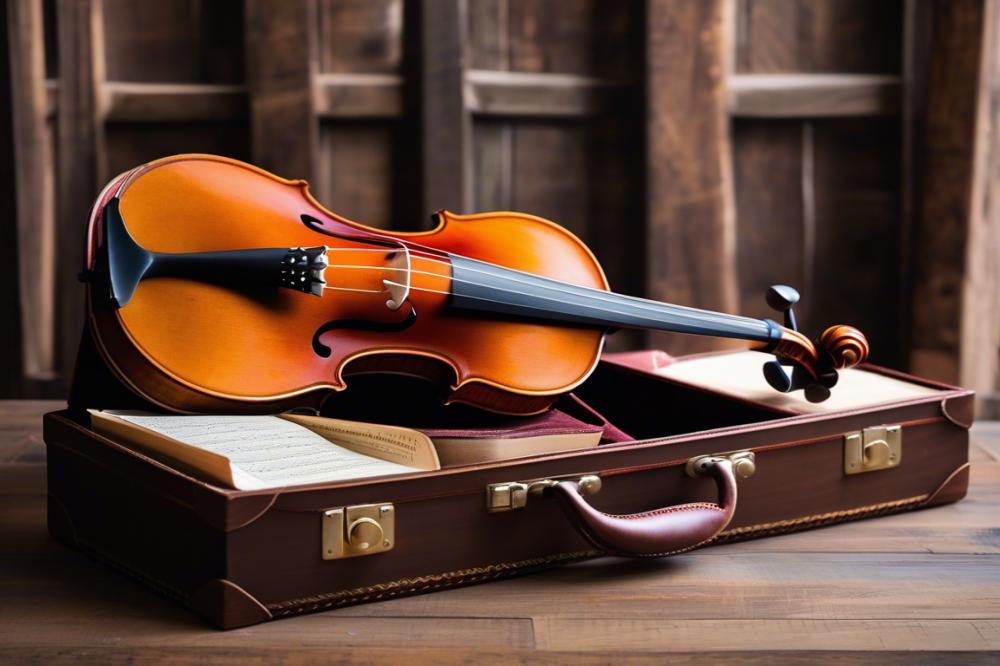
Exploring the Role of the Fiddle in Folk and Bluegrass Music
The Fiddle holds a pivotal place in the realms of folk and bluegrass music. As a versatile instrument, it transcends mere entertainment; it acts as a vessel for cultural expression and storytelling.
Historically, the fiddle has roots that intertwine with various cultures. Originating from early string instruments, it evolved as it traveled across continents. Immigrants brought their musical traditions, infusing local styles with their own. This blend created a rich tapestry of sound that defines the character of folk music.
Culturally, the significance of the fiddle cannot be overstated. It has been a centerpiece at community gatherings, weddings, and celebrations. People often come together to dance, sing, and share stories through this vibrant medium. The instrument’s ability to evoke emotion connects generations, preserving heritage and fostering unity.
When examining bluegrass music specifically, the fiddle’s role becomes even more pronounced. Its energetic yet melodic sound complements the intricate banjo and guitar patterns typical of the genre. This interplay contributes to the unique rhythms that characterize bluegrass. Musicians utilize techniques like double stops and sliding notes, drawing on traditional Violin genres while adding their own flair.
In summary, the fiddle represents more than just a string instrument in folk and bluegrass communities. It is an integral part of a broader legacy. As it continues to evolve, the instrument remains a vital link to the past while influencing new generations of musicians.
The Fiddle in Folk Music

The fiddle plays a central role in folk music traditions around the globe. Various cultures have embraced this string instrument, adapting it to their own musical styles. In many regions, the fiddle serves as the heartbeat of communal gatherings, bringing people together through dance and song.
Exploration of the Fiddle in Folk Music Traditions
Across Europe, distinct violin variants can be found, each offering unique sound qualities. For instance, the Swedish hardingfele features sympathetic strings that create a resonant tone. In the Appalachian region of the United States, the fiddle is often integral to storytelling, connecting history with emotion.
Comparison with Other Folk Instruments
When juxtaposed with other folk instruments, the fiddle stands out for its versatility. Instruments like the banjo and mandolin are commonly associated with bluegrass music, while the accordion brings a different texture to folk music. Each instrument contributes uniquely to the overall sound, but none matches the fiddle’s expressive range and adaptability.
Key Regions and Styles
Specific regions have developed unique styles that highlight the fiddle’s importance. In Ireland, traditional jigs and reels feature quick tempos and complex melodies. The Cajun fiddling of Louisiana incorporates French influences, creating a sound that is distinct and lively. These regional variations underline the instrument’s ability to shape cultural identity.
Moreover, various folk traditions across the globe often showcase the fiddle in distinct ways. From the Nordic folk music characterized by haunting melodies to the American folk idioms that focus on lively rhythms, the diversity of styles is notable. In Afro-Cuban music, the violin takes on rhythms that bridge cultural divides and highlight shared human experiences.
As folk music evolves, the fiddle maintains its centrality, adapting to contemporary influences while preserving age-old traditions. This ongoing dialogue enhances the instrument’s significance within various music scenes. The interplay between the fiddle and other folk instruments fosters a dynamic musical landscape that continues to evolve and inspire.
The Transition from Violin to Fiddle

Violin and fiddle often refer to the same string instrument, yet they occupy different cultural spaces. While the violin is typically associated with classical music, the term fiddle encompasses a wider range of folk traditions. This shift in terminology marks more than mere semantics; it reveals historical changes in musical roles and societal contexts.
The term ‘fiddle’ carries rich cultural connotations. Fiddling is often seen as informal and community-oriented. Gatherings featuring folk instruments showcase camaraderie. In contrast, violin performance may maintain a more formal atmosphere, often seen in recital halls or orchestras. This reflects differing attitudes toward the same instrument.
Difference between the Violin and Fiddle
Physically, a violin and a fiddle are nearly identical. Both have four strings and a similar shape. The differences arise in how each is played. Violinists rely heavily on technique and precision. Fiddlers, on the other hand, favor improvisation and playful expression. This distinction highlights the instrument’s versatility.
Various violin variants have influenced the evolution of the fiddle. Instruments such as the Viola and the ‘cello contribute to the overall string instruments family. Each variant brings its unique sound and character, enriching the textures of bluegrass music and folk traditions. These adaptations foster a tapestry of sound that defines the style.
Musicians often select specific fiddles to suit their needs and preferences. Differences in strings, tuning, and setup significantly affect sound quality. Fiddlers may prefer a setup that allows for more robust expression. Such choices underline the personal connection between the artist and their instrument.
Ultimately, the cultural transition from violin to fiddle illustrates more than just an instrument’s name. It embodies a way of life, community values, and the evolution of musical traditions. As folk music and bluegrass grow, the fiddle continues to evolve, remaining a centerpiece of cultural expression.
Fiddle Techniques and Styles

Techniques unique to the fiddle in folk and bluegrass
The fiddle in folk and bluegrass music utilizes various techniques that enhance its distinctive sound. Vibrato is a common technique, adding emotion and depth to melodies. In addition, shuffle bowing creates a rhythmic drive that propels the music forward. Many fiddlers use double stops, where two strings are played simultaneously, to enrich harmonies. Sliding between notes, often referred to as portamento, gives a smooth, expressive quality to the performance. These elements combine to form a signature style that is instantly recognizable in folk circles.
Common playing styles and their origins
Several playing styles emerged from different regional traditions. Old-time fiddling, deeply rooted in Appalachian culture, emphasizes melodic playing while maintaining rhythmic complexity. Its origins can be traced back to European immigrants who brought their violin variants and techniques to America. Bluegrass music, on the other hand, incorporates a virtuosic approach. Here, intricate melodies and rapid tempos are often showcased. This style stems from the melding of various musical influences, including country and jazz. Each regional style reflects cultural heritage, revealing stories through music.
Fiddling as a communal and improvisational art
Fiddling often serves as a means of communal interaction. Musicians gather in circles, encouraging a sense of shared experience. In these settings, improvisation becomes key. Players frequently take turns leading melodies, encouraging spontaneity. The improvisational nature fosters creativity, allowing each fiddler to express their unique voice. Additionally, folk instruments accompany the fiddle, creating rich textures. Banjo, guitar, and mandolin often enhance performances, forming a unified sound. Enjoying music together strengthens community bonds, making fiddling a pivotal part of social gatherings.
Notable Fiddle Players in Folk and Bluegrass
Many influential fiddle players have left their mark on the rich landscape of bluegrass music and folk traditions. One standout figure is Bill Monroe’s fiddler, Kenny Baker. Renowned for his powerful bowing and intricate melodies, Baker helped shape the sound of bluegrass. His techniques and improvisational skills lauded by musicians around the world. A master of the genre, his recordings continue to inspire aspiring fiddlers.
Another notable name is Vassar Clements. He pushed the boundaries of what a fiddle could do within bluegrass music. Fusing elements from jazz and swing, his playing offered a fresh perspective on traditional folk instruments. Clements’ versatility allowed him to collaborate across genres, leaving an indelible mark on many artists’ careers.
Moreover, Alison Krauss has brought the fiddle to new audiences. As a leading figure in contemporary bluegrass, her skills complement her stunning voice. Krauss’ work with Union Station showcased the fiddle’s role in modern interpretations of bluegrass music. Many young fiddlers today cite her as a significant influence, highlighting her contributions to the genre.
Other significant players include Michael Cleveland, a five-time IBMA Fiddler of the Year. His relentless pursuit of musical perfection reflects in his passionate performances. Cleveland has pushed the limits of the instrument, using its full range to create powerful musical expressions. He showcases the fiddle’s potential to convey emotion and narrative in folk music.
In discussing legacy, one cannot ignore the role of these musicians in shaping the contemporary fiddle scene. Their innovative styles and creative advancements in bowing techniques have paved the way for future generations. Many of today’s artists incorporate elements from these pioneers, creating a dynamic interplay of tradition and modernity. As such, they serve as vital links in the evolution of string instruments vital to the roots of these genres.
Students and seasoned musicians alike look to these figures for inspiration. While folk and bluegrass continue to grow, the foundation laid by earlier players remains pivotal. The influence of these artists reflects in various contemporary fiddling styles, ensuring a rich future for the genre. Traditional sounds continue to resonate, cemented by the contributions of these remarkable fiddlers.
Fiddle’s Role in Bluegrass Music
Overview of Bluegrass as a Genre
Bluegrass music originated in the 1940s. It blends elements of traditional folk with jazz and blues. Local musicians often played at barn dances and community gatherings. The genre is characterized by its fast tempos and intricate instrumental work. Acoustic string instruments form the backbone of any bluegrass ensemble. Banjo, mandolin, guitar, and bass often share the spotlight alongside the fiddle.
Significance of the Fiddle in Bluegrass Ensembles
In bluegrass, the fiddle holds a central role. It can lead melodies while providing harmonies. This instrument often serves to connect different parts of a performance. Its expressive sound brings emotional depth to the music. When musicians play together, the fiddle complements the banjo and guitar beautifully. Musicians often utilize intricate bowing techniques to enhance the sound. Fiddlers contribute to both fast-paced rhythms and slower ballads. The energy it delivers energizes the audience and creates a vibrant atmosphere.
Comparison to Other String Instruments in Bluegrass
Other string instruments also play vital roles. The banjo typically offers a distinct, driving rhythm that propels the performance. Its five-string variant features a unique twang that sets it apart. The guitar serves primarily as a rhythm instrument but can also take the lead with solos. Mandolins add a bright, crisp sound, creating harmonies that enrich the music. While the fiddle establishes melodic foundations, other strings often back it up and provide depth. Each instrument has its own character and purpose. They coalesce, enhancing the overall performance and ultimately define bluegrass.
The Fiddle in Modern Folk and Bluegrass
The fiddle remains a cornerstone in contemporary folk and bluegrass music. Its evolution reflects the shifting tastes and cultural blends of society. Artists today often incorporate various influences, leading to a vibrant fusion of styles. Traditional roots mix with modern sensibilities, resulting in a dynamic music scene that is constantly evolving.
Folk instruments are increasingly combined with elements from genres such as rock, jazz, and even electronic music. An example can be found in the works of bands that blend bluegrass with pop elements. These innovative approaches attract new listeners and challenge conventional definitions of the genre. The fiddle contributes to this exciting soundscape, serving as a bridge between the past and present.
The emergence of new artists has generated fresh interest in bluegrass music. Young musicians often draw inspiration from both classic and modern influences. They explore the fiddle’s versatility by using violin variants that cater to multiple musical styles. This adaptability helps the instrument resonate with diverse audiences.
Within this contemporary framework, preservation of traditional styles is vital. Many musicians strive to honor the origins of their craft while pushing creative boundaries. Festivals and acoustic gatherings often emphasize heritage, allowing seasoned masters and novices to share their skills. These events are treasure troves of cultural exchange, where the authenticity of the fiddle shines. It remains a symbol of community and tradition.
In summary, the fiddle’s role in modern folk and bluegrass music is multifaceted. Its involvement extends beyond mere performance; it represents a living tradition infused with innovation. Musicians blend old and new techniques to create sounds that resonate deeply with audiences worldwide. While progress continues, the fiddle’s essence remains intact and celebrated in various forms.
Community and Cultural Events Featuring Fiddles
Importance of Festivals and Gatherings
Festivals serve as vital celebrations of musical heritage. Communities gather for events that highlight regional traditions, where passion for string instruments shines. Participants often form connections over shared interests. Local food stalls and crafts add to the vibrant atmosphere, complementing the musical experience. Through performances and jam sessions, fiddles take center stage. Attendees enjoy both planned concerts and spontaneous collaborations. These gatherings create opportunities for musicians to showcase their skills. Festivals also promote cultural exchange among diverse communities. Many attendees leave with new perspectives on music and tradition.
Role of the Fiddle in Social and Cultural Settings
Fiddles foster a sense of community in various social contexts. Whether in a backyard, a bar, or a festival, these instruments bring people together. They often become the soundtrack to important life events such as weddings and reunions. Bluegrass music, characterized by its lively tempo, encourages dancing and participatory enjoyment. Fiddle tunes often inspire storytelling, allowing cultural narratives to flourish. Musicians learn not just from one another, but from the audience’s reactions. This interactive dynamic fuels the performance, making it a shared experience.
Educational Programs and Workshops
Workshops provide essential learning opportunities for aspiring musicians. Many festivals host sessions focused on fiddling techniques and music theory. In these programs, participants gain hands-on experience playing violin variants specific to folk traditions. Such classes often highlight the importance of learning from skilled fiddlers. They emphasize traditional styles while encouraging creativity. Local schools also recognize the value of introducing fiddles into their music curricula. Educational initiatives inspire younger generations to explore folk instruments and connect with their cultural roots. Through these programs, the future of bluegrass music remains bright, ensuring its evolution and longevity.
Final Thoughts on the Fiddle’s Role
The fiddle holds a vital place in both folk and bluegrass music. Its distinct sound enriches these genres, providing an emotional backdrop that resonates with audiences. This instrument not only enhances melodies but also drives the rhythm forward, making it a cornerstone of traditional music. Many forms of expression arise from the fiddle, allowing musicians to convey stories and feelings through their playing. Famous violinists have often drawn inspiration from its diverse techniques, showcasing the instrument’s versatility.
As musical landscapes continue to evolve, the future of the fiddle looks promising. New generations of musicians are discovering its adaptability. Genres blend and hybrid styles emerge, creating opportunities for the fiddle to shine in unexpected ways. Techniques originally rooted in folk music are being infused into modern compositions, expanding its reach and relevance. This cross-pollination introduces fresh sounds that capture the curiosity of younger audiences.
Exploration of fiddling will not only deepen appreciation for its history but also encourage new creative avenues. Attending live performances, taking lessons, and simply listening to recordings can foster a more profound connection to the instrument. Embracing its legacy while inviting innovation will ensure the fiddle remains a cherished part of music for years to come.

