
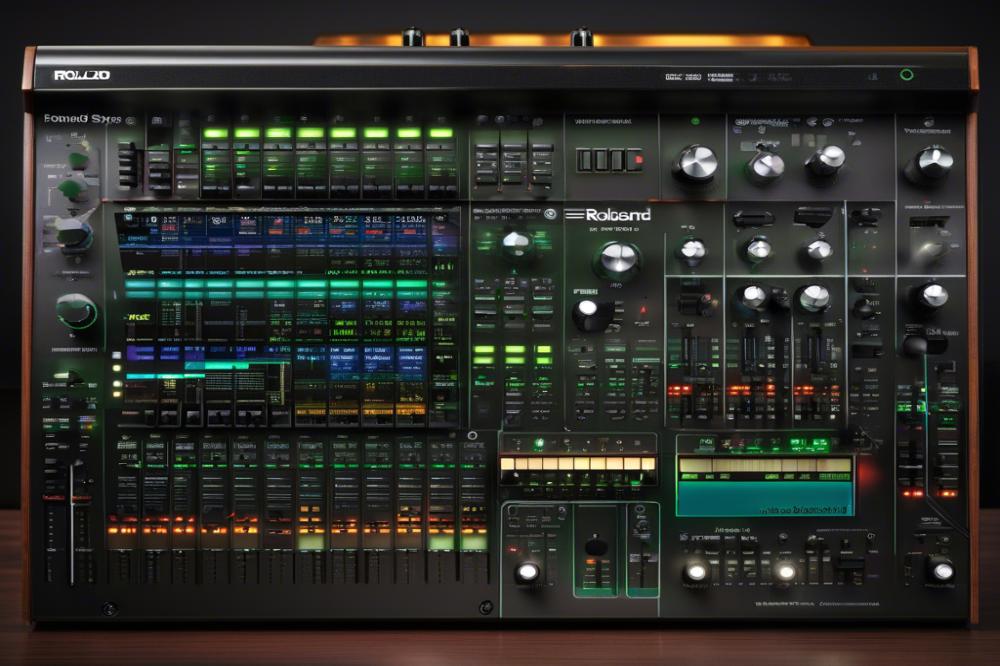
Exploring the Roland System-8: A Plug-Out Synthesizer for the Future
Since the advent of electronic music, Synthesizers have played a vital role in shaping soundscapes. Artists have utilized these instrumental tools to create innovative textures and rhythms that resonate with listeners. In a genre that thrives on both experimentation and tradition, the evolution of Synthesizers continues to inspire new generations of music producers. The ability to manipulate sound in real-time allows musicians to express their vision creatively, often leading to groundbreaking compositions.
Innovation remains crucial, especially in an era dominated by technology. With rapid developments in music production techniques, synthesizers have adapted to meet the expectations of modern creators. These instruments are not solely about nostalgia; they represent a bridge between past achievements and future possibilities in sound design. This evolution is evident in the introduction of advanced models, which integrate both analog and digital capabilities.
The Roland System-8 emerges as a compelling option for those looking to explore the depths of synthesis. As a Plug-Out synthesizer, it embodies a seamless fusion of vintage character and cutting-edge technology. Musicians can access a wide range of classic sounds while also embracing the latest innovations in music production. Features such as deep modulation capabilities and user-oriented interfaces enhance the experience, making it attractive for various styles, from ambient to dance music.
Analog keyboards have retained their charm in contemporary settings, highlighting the ongoing relevance of traditional synthesis amidst modern advancements. The System-8 exemplifies this idea by offering users the tools to experiment with both nostalgic and forward-thinking approaches to sound. As we navigate the future of music, instruments like this ensure that artists maintain the capacity for exploration and creativity.
The Legacy of Roland Synthesizers
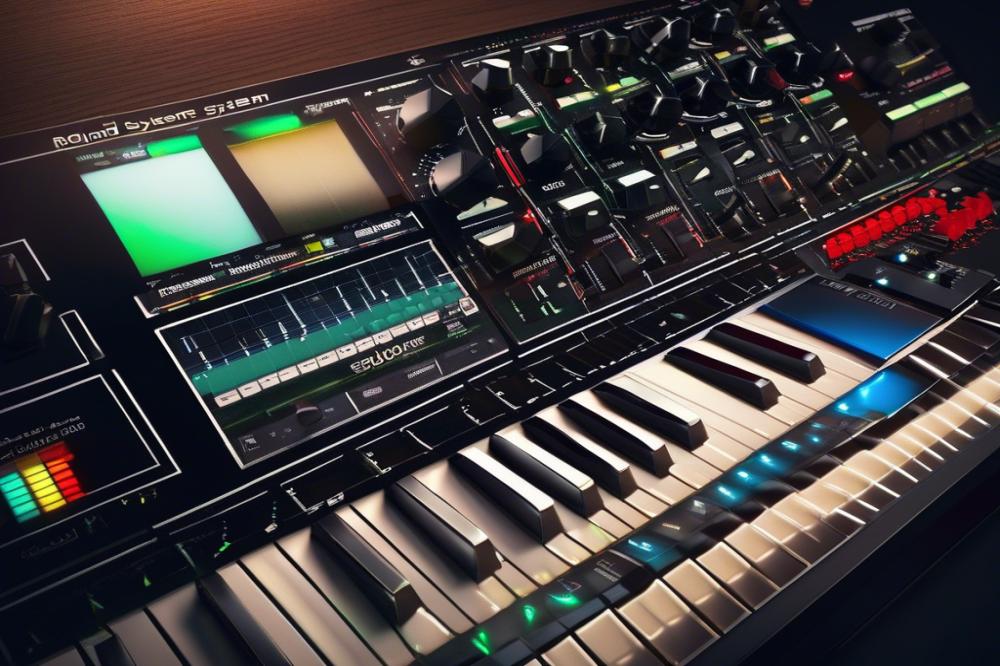
Since their inception, Roland synthesizers have played a pivotal role in shaping the landscape of electronic music. Beginning in the late 1970s, the company introduced a series of innovative instruments that captivated musicians and producers alike. These devices did not just create sounds; they transformed how music was made and conceptualized as art.
One cannot overlook the importance of the Roland Jupiter-8. Released in 1981, this synthesizer became a staple among artists due to its rich, lush sounds and intricate modulation capabilities. It set new standards for polyphonic synthesizers, influencing genres from pop to progressive rock. Many iconic tracks from the 1980s feature its unmistakable tones, showcasing its deep impact on music production during that era.
Another remarkable model is the Roland TR-808 drum machine. Widely regarded as revolutionary, the 808 helped define hip-hop and dance music. Its distinctive bass drum and snare sounds became synonymous with an entire generation of music. Artists embraced its programmable features, allowing them to experiment creatively and break boundaries within sound design.
The Roland SH-101 also deserves mention. Known for its simplicity and portability, the SH-101 has been a favorite among synth enthusiasts. Its monophonic architecture facilitated various uses, from bass lines to melodic leads, making it a versatile tool in the studio and on stage. Users appreciate its ability to produce fat analog sounds that remain relevant today.
In addition, the company’s iconic Juno series introduced affordability and accessibility to synthesizers. Models such as the Juno-106 became exceptionally popular due to their warm sound and easy programming. Musicians found joy in the lush chorusing effects, which contributed significantly to the sonic depth of numerous tracks throughout the 1980s and beyond.
As time progressed, Roland continued to innovate, leading to the creation of virtual instruments and software. The introduction of V-Synth synthesized the old with the new by blending analog and digital technologies. This model showcased the potential of sonic manipulation and opened new avenues in sound creation.
The legacy of these instruments is not merely historical; it continues to influence current music production. Modern musicians draw inspiration from the classic sounds while also utilizing contemporary technology. As electronic music evolves, Roland’s commitment to innovation ensures their place in the hearts of both seasoned artists and newcomers alike.
Overview of the Roland System-8
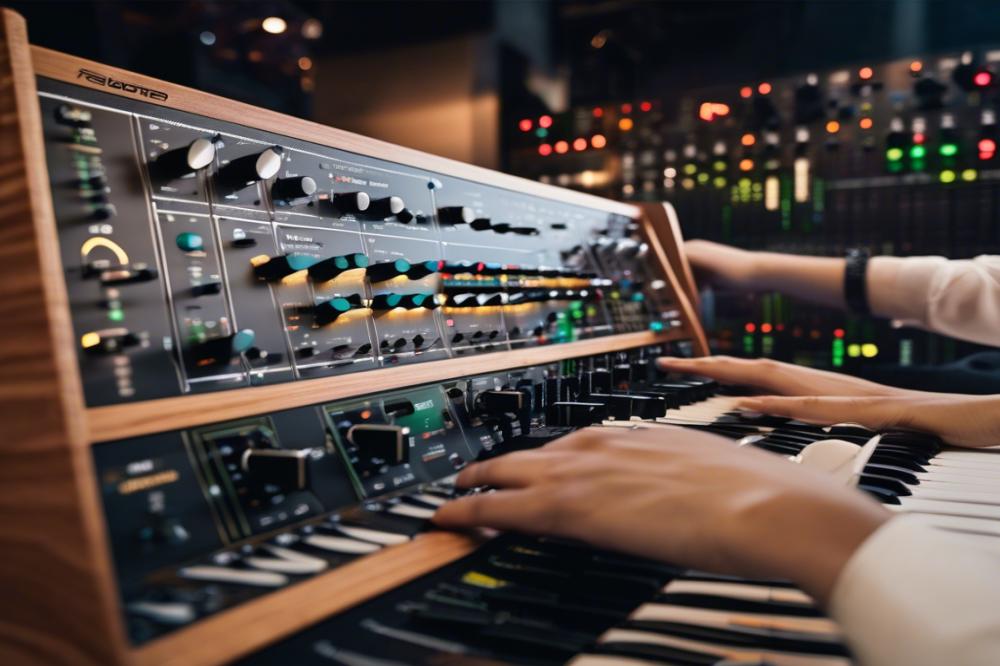
The Roland System-8 is an advanced plug-out synthesizer that blends classic design with modern functionality. Musicians and producers can dive deep into sound design with its extensive set of features. The architecture comprises both analog modeling and digital synthesis, catering to a wide range of creative needs. Building upon the legacy of previous Roland synthesizers, this instrument manages to encompass the essence of vintage tones and modern soundscapes.
In terms of specifications, the System-8 offers 8-voice polyphony, making it highly versatile. Moreover, it incorporates a variety of waveforms, filter types, and modulation options. The keyboard features 49 keys, which are not only velocity-sensitive but also respond to aftertouch. This responsiveness allows for nuanced performance, capturing the expressive qualities that electronic music often demands.
Build quality stands out as a key aspect of its design. The chassis exhibits a sturdy construction that can withstand extensive use. Control knobs feel solid and offer a satisfying tactile feedback when adjusted. Additionally, the layout is intuitive, placing essential controls within easy reach. This arrangement facilitates seamless interaction, allowing artists to focus on their craft rather than getting lost in complicated menus.
The interface includes an LCD display, which clearly shows parameters and settings. Users appreciate the immediate feedback provided by this screen, making navigation straightforward. With well-placed buttons for performance functions, the synthesizer supports live manipulation of sounds. Such features enhance the overall user experience, streamlining the workflow during music production.
Sound design is where the Roland device truly shines. Its ability to load plug-out synths offers flexibility; users can expand their sonic palette significantly. Legacy models from Roland can be emulated, granting access to quintessential sounds from earlier eras. Furthermore, real-time editing capabilities allow for spontaneous creativity, making it easy to tweak sound on the fly during live performances.
Integration with external hardware is another notable feature. The synthesizer supports MIDI connectivity, enabling it to sync effortlessly with other devices and software. This interoperability ensures that collaborations remain non-disruptive, enhancing musical productivity. With such versatility, the System-8 stands as a critical tool for modern sound exploration.
Plug-Out Technology: Revolutionizing Sound Design
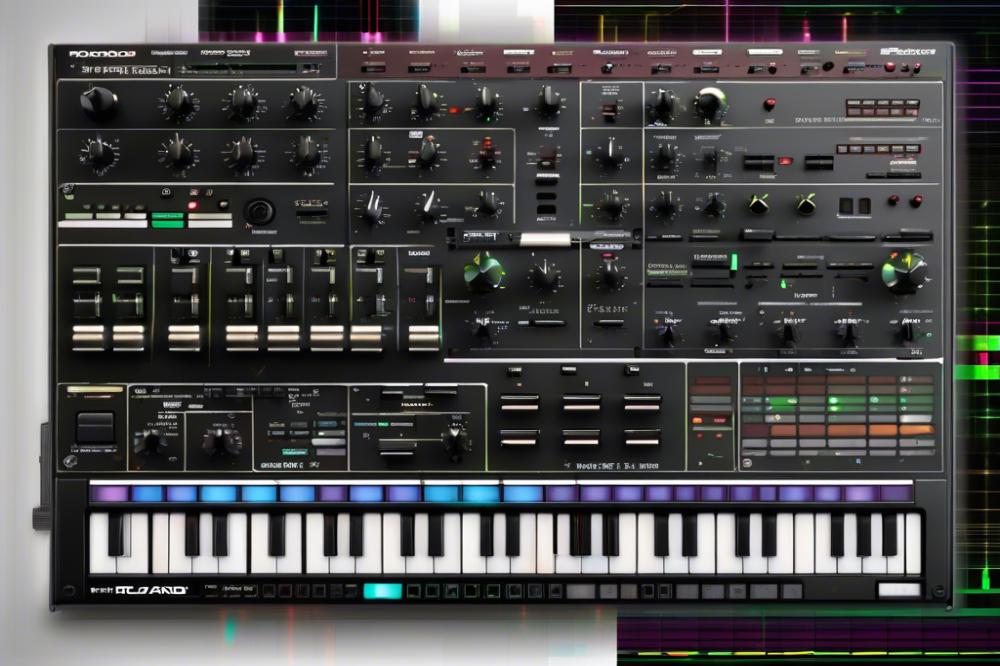
Plug-Out technology represents a significant advancement in the realm of sound design. This innovative system allows users to load classic emulations of well-known Roland synthesizers onto the hardware. Imagine the flexibility of accessing iconic sounds directly within a modern synthesizer platform. This integration is pivotal for both historical appreciation and contemporary creativity in electronic music.
With Plug-Out, the barriers between old and new dissolve. Musicians can transport legacy sounds into their current workflow, breathing fresh life into familiar tones. The convenience of this feature cannot be overstated; it opens avenues for experimentation that simply weren’t possible with traditional hardware. Users now have a powerful toolkit at their disposal, enabling them to sculpt their creative vision with ease.
Furthermore, the ability to easily switch between different synth models fosters an environment ripe for innovation. Sounds can be layered, combined, or altered in real-time, leading to a dynamic approach to music production. This flexibility enhances the user experience, making it simpler to achieve desired results without being constrained by a single sonic palette.
Sound design benefits from this modularity, as artists can tailor their setups to their individual preferences. Plug-Outs provide the opportunity to explore various synthesis methods, from classic subtractive techniques to more advanced multi-parameter modulation routes. Accessing diverse emulations encourages experimentation, pushing the boundaries of what can be created.
Ultimately, the implications of this technology stretch beyond nostalgia. Musicians are equipped to create original works while drawing on foundational sounds that have shaped music over decades. Plug-Out serves as both a bridge to the past and a platform for future exploration in electronic music. In this way, it redefines the relationship artists have with their sonic inspirations.
Sound Engine and Synthesis Types
The Roland System-8 boasts an impressive array of synthesis methods that cater to various music production needs. Primarily, it features subtractive synthesis, a foundational technique in electronic music. This method allows users to shape sound by filtering harmonics generated from oscillators.
FM synthesis represents another powerful option. By modulating one waveform with another, this technique produces intricate, complex timbres. Artists interested in unique sound design will find this aspect particularly valuable, as it enables the creation of evolving textures.
Additionally, the plugin architecture introduces advanced forms of synthesis. Users can engage with both analog-style waveforms and digital processing techniques. Such versatility empowers musicians to merge traditional and contemporary sounds seamlessly.
Wavetable synthesis also makes a notable appearance, allowing for the manipulation of single-cycle waveforms. This flexibility supports the creation of a broad palette of tones, ideal for modern production. Indeed, it facilitates experimentation with evolving sounds, which can heighten the listener’s experience.
Layering plays a crucial role in the sound engine. Musicians can stack multiple sounds to create rich, multifaceted textures. This capability enhances the System-8’s versatility, making it suitable for diverse genres and styles.
Moreover, the integration of effects further expands sonic possibilities. With chorus, delay, and reverb readily available, users can refine their sounds in real-time. Such tools are invaluable for achieving that polished finish in any track.
Overall, the synthesis options presented within this synthesizer create a robust platform for sound exploration. From classic to cutting-edge techniques, it supports a wide range of creative endeavors in music production. This breadth of options ensures that musicians can achieve their goals without limitations.
Presets and Sound Creation
The factory presets of the Roland System-8 offer a robust starting point for users. With a diverse range of sounds covering various electronic music genres, these presets showcase the synth’s capabilities. Each preset utilizes the synthesizer’s advanced architecture, allowing musicians to explore fundamentals of sound. While they can be used as-is, these sounds also serve as templates for further customization.
To create personal sounds, users can manipulate multiple parameters such as oscillators, filters, and modulation settings. This hands-on approach facilitates distinct sound design. For example, altering filter resonance can drastically change the character of a sound. Additionally, the workflow for sound creation is intuitive; one can easily layer sounds or create complex patches with minimal effort.
A significant advantage lies in the ability to save custom patches. Once you sculpt a sound to your liking, it can be stored and recalled as needed. Moreover, the synth allows for the integration of Plug-Out technology, which enables integration of other classic Roland synthesizers. This means users can expand their sonic palette by importing iconic sounds that have shaped music production over decades.
Within the System-8 interface, modulation options open possibilities for intricate sound development. Using envelopes and LFOs effectively allows for evolving textures and rhythmic elements. Experimenting with the synth’s various parameters encourages users to think outside traditional boundaries. Such exploration leads to discovering new timbres and effects that resonate with personal artistic expressions.
Incorporating effects into the sound creation process adds another layer of complexity. The built-in effects section includes reverb, delay, and distortion. These effects enhance sound design, enriching the overall sonic output. Users often find that applying effects can transform straightforward patches into lush soundscapes.
For those seeking inspiration, the System-8’s community also plays a vital role. Various user forums and online groups exchange tips about sound creation techniques. This sharing of knowledge fosters a collaborative environment. Readily available resources, such as tutorials and preset sharing, enhance learning curves for new users.
In conclusion, the integration of presets and a flexible sound creation workflow makes the Roland System-8 a valuable tool for electronic music producers. Harnessing its capabilities can culminate in creating patches that feel personal and introspective. Unique artistic voices can emerge through the synthesis of its many features and functions.
Integration with DAWs and Other Gear
The connectivity options of the Roland System-8 play a crucial role in modern music production. Musicians can easily integrate this synthesizer into their digital audio workstation (DAW) setup, maximizing versatility. It supports MIDI over USB, allowing for straightforward communication with computers. This feature enables seamless control and automation of parameters directly within a DAW environment.
Audio connections include both 1/4-inch outputs for sending sounds to an audio interface and a headphone jack for monitoring. Such flexibility is advantageous for those working in live settings or studio environments. Additionally, the System-8 boasts CV connectivity, making it compatible with modular synthesizers. This opens up a range of sound design possibilities that can easily enhance any electronic music project.
While operating the System-8, users can explore its extensive onboard effects. These effects can be applied to any sound, offering further layers of depth and complexity. Consequently, this capability encourages experimentation with musical ideas. Real-time performance control is facilitated by dedicated knobs and sliders, streamlining the workflow during active sessions.
Integration does not stop there. Users can also utilize the plug-out capability to load and manipulate classic Roland synthesizers. This feature allows producers to access vintage sounds and modern functionalities within a single unit. The collaborative nature of the System-8 translates well across various setups, making it an invaluable resource for both novice and experienced composers. Ultimately, its design enhances any music production or sound design environment, granting unprecedented creative freedom.
User Community and Support
The user community surrounding the Roland System-8 is vibrant and dynamic. Many forums exist where enthusiasts share their experiences. These online platforms become essential for both novice and seasoned users alike. Discussion threads often feature tips on sound design and music production techniques. Collaboration among users fosters a rich environment for learning.
Tutorials available on various platforms serve as a significant resource. These educational materials cover a range of topics, from basic synthesizer operation to advanced sound sculpting. Video tutorials, in particular, provide visual learners with step-by-step guidance. By observing others, users can glean insights that may otherwise go unnoticed.
A wide variety of resources, including preset libraries, can be easily accessed. Many contributors to these libraries create sounds tailored specifically for electronic music. Sharing custom patches allows users to explore new sonic territories. This practice enhances sound design skills in a collaborative manner.
Furthermore, social media groups dedicated to synth enthusiasts are increasingly popular. In these spaces, members discuss their favorite techniques and equipment tips. Engaging with a community can motivate individuals to push the boundaries of their creativity. User-generated content often inspires innovative approaches to music production.
Events such as meetups and workshops occasionally occur, providing hands-on experience. These gatherings allow users to connect in person and exchange ideas. Networking at such events can lead to fruitful collaborations and partnerships. Ultimately, the community plays a pivotal role in the continued evolution of skills and knowledge.
Final Thoughts
The exploration of the Roland System-8 reveals its pivotal role in the ongoing evolution of synthesizers. This instrument stands at the intersection of past and future technology. By combining classic analog sounds with cutting-edge digital capabilities, it provides musicians with an extensive palette for creativity. One appeal lies in its ability to facilitate dynamic sound design through its Plug-Out architecture. Users have the flexibility to load various virtual instruments, thus expanding their sonic horizons beyond traditional limitations.
Equally important, the System-8 shines in modern music production environments. It seamlessly integrates with DAWs, making it a valuable tool for both live performances and studio sessions. Diverse Keyboard techniques can be explored, enabling artists to push musical boundaries. This capability not only enhances compositional possibilities but also enriches the overall audio landscape.
Encouragingly, the device serves as a bridge between established practices and innovative approaches. As technology continues to advance, instruments like this will be essential in shaping the future sound of music. It’s worth diving into its world, as the System-8 can inspire unique creative directions. For those passionate about sound exploration, such a synthesizer is an opportunity waiting to be seized. Let it guide your musical journey and redefine what you thought possible.

