
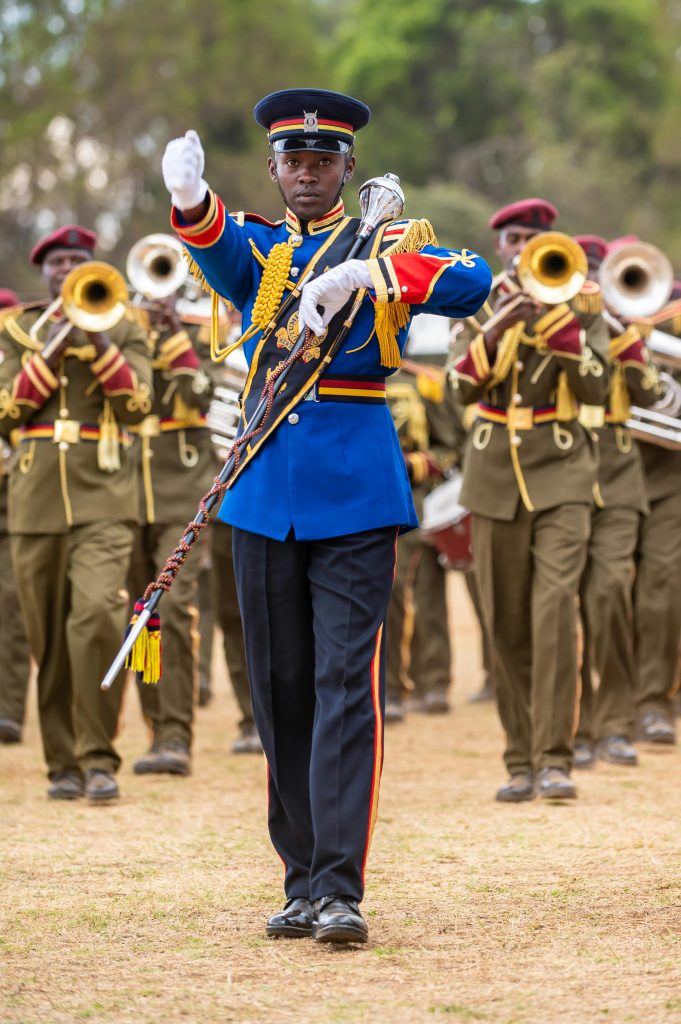
Music plays a crucial role in the life of the defense forces. It serves not only as entertainment but also as a means of communication and motivation. The sounds of drums, bugles, and pipes resonate with history and tradition. These instruments have been integral to military culture for centuries. They help bond soldiers together and create a sense of unity.
The importance of these instruments extends beyond mere sound. Drums provide a strong heartbeat that can move troops in formation. Bugles signal commands, helping soldiers to follow orders swiftly. Pipes lend a haunting beauty to ceremonies, stirring emotions during significant moments. Together, they contribute to the rich tapestry of military tradition.
Military bands often perform at important events and ceremonies. Their performances enhance the atmosphere, bringing a sense of honor and dignity. Ceremonial music can elevate a simple gathering into a memorable occasion. The pipe and drum corps, in particular, have a storied place in the history of warfare. Their unique sound has been both a rallying cry and a call to action.
Music in warfare has a long history, providing encouragement in challenging times. It also serves to intimidate opponents. The powerful rhythms of drums can instill fear, while the sweet melodies of pipes can inspire courage. These instruments have been used strategically throughout various conflicts, proving their worth on the battlefield.
In summary, drums, bugles, and pipes hold significant value in the defense forces. They are more than just instruments; they are a reflection of a longstanding military tradition. The sounds produced by marching bands during parades or events can leave a lasting impression. With every beat, call, and note, the legacy of military music continues to thrive.
Historical Context
Origin of military music in Ancient Warfare
Music has played an important role in warfare since ancient times. As armies marched into battle, they needed a way to communicate orders. Different sounds could signal specific movements. Drums provided a strong beat that kept soldiers in step. Often, these early groups had musicians who played to boost morale and scare enemies. Music during this era was essential for organizing troops and maintaining order in chaotic situations.
Early warriors used instruments made from natural materials. In many cultures, the sound of horns or drums could be heard long before the battle began. This served to unite fighters and intimidate opponents. Over time, each army developed its own unique musical traditions. These traditions were rooted in the culture and values of their society. The importance of music in warfare became clear as it influenced strategy and troop coordination.
Evolution of Drums, Bugles, and Pipes in Defense Forces History
As time passed, the role of drums, bugles, and pipes in defense forces changed significantly. With continual advancements in warfare, communication methods needed to adapt. Drums became essential for marching commands. They were easy to hear over the noise of battle. Bugles emerged as another important tool for conveying messages. Their sharp sound could be heard above the clamor of troops and artillery.
In many military bands, these instruments became central to tradition and ceremony. Ceremonial music grew important for marking special occasions and honoring fallen soldiers. Pipe and drum corps formed in various armies, showcasing skills and boosting pride. During parades, these ensembles brought vibrant visuals and sounds that captured the spirit of the forces.
Military tradition ensured that drumming and piping remained essential through the centuries. They accompanied soldiers during significant events, forging a bond between music and service. Each note and rhythm served as a reminder of sacrifice and bravery. From ancient battlefields to present-day ceremonies, music in warfare has left a lasting impact on the identity of troops worldwide.
Function of Drums in Military Music
Role of Drums in Marching and Communication
Drums have held a vital place in military traditions for centuries. They serve many important functions. When soldiers march, the rhythm of the drums helps them keep in step. This creates a sense of unity and discipline among troops. In battle, drums can communicate messages over long distances. A well-timed drumbeat can signal movements, alert troops, or even convey commands. This ability to convey information quickly is crucial in the chaos of warfare. Ceremonial music often features drums, adding a sense of gravity to important events. The heartbeat of the drums resonates with the spirit of the defense forces.
Drum Types Used in Military Bands
Various types of drums are used in military bands, each with its own purpose. Snare drums are common in marching bands. Their sharp, crisp sound cuts through the air, making them ideal for keeping rhythm during parades. Bass drums provide a deep, resonant sound that underlines the music. They add weight to the band’s performance and create an impressive effect. The tenor drum, another popular choice, offers a higher tone than the bass but still maintains depth.
Pipe and drum corps play a special role within military formations as well. They blend both drums and other instruments like bugles and pipes. Together, these create a vibrant musical experience. The combination enhances the overall impact of military ceremonies. Each type of drum contributes to the overall sound and feel of military music.
Selecting the right drum is essential for any ceremony. Different occasions require different styles of drumming. For instance, a simple drumbeat might suit a formal event, while a lively rhythm is better for celebrations. Drums, bugles, and pipes together create a unique atmosphere, rich with tradition and purpose.
Role of Bugles in Military Ceremonies
Bugles hold an important place in military traditions. They have long been used to convey commands and signals. During ceremonies, their distinct sound resonates throughout the parade grounds. Many people instantly recognize the call of a bugle, which adds to the atmosphere of such events.
Traditional uses of bugles include announcing the start of ceremonies. The familiar calls often mark significant moments, like the raising of the flag. Also, they serve to honor fallen soldiers, playing a crucial role in military funerals. Contemporary uses have evolved, but the essence of bugle calls remains strong.
The sound of a bugle is both sharp and clear. This characteristic makes it ideal for signaling in various situations, even in the heat of battle. Military bands often complement the bugle sound with drums and pipes, creating a rich tapestry of sound. Music in warfare can rally troops and boost morale. Each call has a specific meaning, helping soldiers know what actions to take.
Significantly, bugle calls serve as a cultural touchstone for the defense forces. The calls have deep roots in history and convey a sense of pride and respect. Bugles symbolize bravery, discipline, and unity among service members. They are a key element in the pipe and drum corps, further showcasing the power of music in ceremonies.
Throughout military history, the bugle has remained a constant. It inspires camaraderie and connects soldiers with their heritage. When troops are assembled for ceremonies, bugles create a sense of order and purpose. Events like parades or memorials often highlight the essential role of these instruments. Achieving harmony in music adds to the emotional impact of military ceremonies.
Pipes and Their Cultural Importance
Celtic and Other Cultural Influences on Military Pipes
Pipes have deep roots in various cultures. Scottish traditions prominently feature the bagpipes. These instruments often accompany celebrations and gatherings. In Celtic societies, music filled many aspects of life. The melodies played on pipes helped forge a sense of community and belonging. As these societies expanded, their piping styles influenced nearby regions.
Many armed forces adopted this rich music tradition. Bagpipes became symbols of bravery and resilience. Other cultures developed similar instruments. For example, Irish Uilleann pipes bring a different sound that carries its own character. Each style reflects the history of its people. Regardless of the origin, pipes emerged as powerful tools to convey emotion and energy.
Role of Pipe and Drum Corps in Modern Defense Forces
Today, pipe and drum corps play important roles in defense forces around the world. They perform at ceremonies, parades, and other significant events. Many people see these groups as essential to the fabric of military tradition. Their unique sound creates an atmosphere of pride and respect.
During military ceremonies, the music played serves multiple purposes. It honors those who have served and reflects the values of the organization. Drums provide a steady beat that encourages unity. Bugles add layers to the performance with their clear tones. Together, these instruments create memorable experiences for both soldiers and civilians.
Music in warfare has a long history. It helped troops march in rhythm and maintain morale during battles. Even in modern times, the sounds of drums and pipes remind everyone of the sacrifices made by service members. Pipe and drum corps represent a living connection to the past. They showcase cultural influences while continuing to inspire a sense of duty and honor within the modern military landscape.
Ceremonial Music and Military Traditions
Music has always played a special role within the military. It is more than just entertainment. Ceremonial music serves many purposes during military ceremonies and events. Drums, bugles, and pipes create a unique atmosphere that inspires both soldiers and civilians alike. These musical instruments carry great historical significance and evoke strong feelings of pride and honor.
Within the defense forces, ceremonies often mark important occasions. Events like retirements, memorials, and parades showcase the traditions that have been passed down through the years. Military bands lead these ceremonies with their powerful performances. The cadence of drums sets a strong rhythm, while the distinct sound of bugles and pipes captures attention. Together, they help highlight the importance of the moment.
Morale can be greatly enhanced by ceremonial music. When troops hear music during formal events, it fosters a sense of unity. They feel connected not only to each other but also to their shared mission. The cohesion built by music is invaluable, especially in challenging times. Pipe and drum corps often play a crucial role, as their melodies remind soldiers of their duty and commitment.
In addition, music in warfare has a rich history. Various cultures have used instruments to inspire troops and intimidate enemies. This tradition continues today, where ceremonial music plays a vital role in military life. The sounds of drums and horns often accompany the march of soldiers, reinforcing discipline and order.
Overall, the importance of music in military traditions cannot be understated. Ceremonial music is not just a backdrop; it is a core element of military life that enhances ceremonies and uplifts those who serve. The combination of drums, bugles, and pipes weaves together a tapestry of sound that honors those who have defended their country.
Music in Warfare
Music has played a significant role in battles throughout history. It offers more than just entertainment; it serves as a tool for motivation and communication. In the heat of warfare, soldiers often experience fear and uncertainty. To combat these feelings, drums, bugles, and pipes create an atmosphere of unity and purpose. Sounds of a military band can uplift spirits and push soldiers to keep moving forward.
During combat situations, the rhythm of drums has a unique ability to synchronize movements. When troops march to a steady beat, they move together as one. This coordination strengthens their resolve and fosters camaraderie. Bugles, with their sharp and clear calls, convey orders swiftly. They signal the beginning of an assault, the retreat, or even moments of calm. The distinct notes can influence how a unit reacts in tense moments.
Pipe and drum corps serve specific roles in defense forces. Their ceremonial music enhances significant events and honors traditions. These performances remind soldiers of their purpose and the history they carry forward. Military tradition often includes grand parades where music plays a prominent role. Soldiers march proudly, displaying their unity through sound and movement. The emotional connection to their heritage helps in boosting morale.
Music in warfare not only affects those on the battlefield but also those left behind. Families and communities often find comfort in the rhythms that symbolize their loved ones’ bravery. When soldiers hear familiar tunes, they may feel a sense of home even in harsh environments. In addition, musicians within the military may contribute to the mental health of combatants. Their presence can alleviate tension and promote healing, acting as a form of therapy.
Each note and beat has the power to influence soldiers’ emotions. As they face challenging situations, music can provide inspiration or relief. In moments of chaos, a familiar march might bring back feelings of strength or peace. Such experiences highlight the importance of music not just as a tradition, but as a vital part of military life.
Modern Military Bands
Structure and Organization of Military Bands Today
Military bands have a well-defined structure. These groups often include woodwinds, brass instruments, and percussion. Drums and bugles play vital roles in these ensembles. Each musician has a specific position based on their instrument. Leadership typically falls to a bandmaster, who conducts and organizes performances. Many bands also have dedicated sections, such as a pipe and drum corps. This specialized group adds a unique sound and visual element during performances. Within the band, members work together, creating a harmonious blend of music. Frequent rehearsals and training sessions help maintain high standards.
Adapting to Contemporary Musical Styles While Preserving Tradition
Modern military bands are evolving. They incorporate various musical styles to connect with a broader audience. Popular music often finds its way into performances. This trend enables bands to resonate with younger generations. However, preserving traditional elements remains crucial. Ceremonial music continues to hold significant importance during military ceremonies. Drums and pipes regularly feature in these events, reinforcing military tradition. Mixing contemporary tunes with classical pieces showcases the band’s versatility. Balancing innovation with heritage allows these groups to thrive. Their commitment to both past and present strengthens their role in defense forces.
Historically, music in warfare served practical purposes. It guided troops in battle and boosted morale. Today, military bands honor this legacy while adapting to current trends. They aim to inspire and unite both soldiers and civilians alike. Engaging performances create an inviting atmosphere. Audiences appreciate the energy and emotion conveyed through music. The evolution of military bands illustrates their resilience and creativity.
Global Perspectives on Military Music
How Different Countries Utilize Drums, Bugles, and Pipes
Many nations incorporate drums, bugles, and pipes into their defense forces. These instruments play a crucial role in enhancing morale and unity among troops. In the United Kingdom, the tradition of the pipe and drum corps is highly regarded. The sound of bagpipes can evoke strong emotions, often used during ceremonies and memorials.
In the United States, military bands feature a blend of brass and percussion. They perform for ceremonies and parades. Bugles signal commands and announcements on the battlefield. In this way, the music directs and coordinates actions among troops.
Other countries also have distinctive practices. Scotland is renowned for its bagpipes in military tradition. These powerful instruments can be heard during the famous Edinburgh Military Tattoo, showcasing skill and heritage. In countries like India, traditional drumming can be seen accompanying ceremonial parades, symbolizing pride and honor.
Cultural Variations and Unique Practices Worldwide
Cultural influences shape how military music is performed. For instance, in Japan, the use of drums is deeply rooted in Shinto practices. Taiko drums resonate with both cultural and military significance. They are often featured in ceremonies to celebrate the spirit of warriors.
Australia’s defense forces also utilize unique elements in their music. The didgeridoo, an ancient instrument, is sometimes included in military performances. This practice honors the heritage of Indigenous Australians, blending historical and modern influences.
In many African nations, drums serve as a vital part of military tradition. They communicate messages and rally troops during conflicts. The rhythm can energize soldiers and instill a sense of urgency. Each culture has its distinct way of interpreting and employing these instruments.
During military ceremonies around the world, music plays an essential role. It marks transitions and honors achievements. Whether through a solemn bugle call or lively pipe tunes, these sounds create a profound atmosphere. They help signify respect for those who have served and those who continue to serve.
Effects of music in warfare cannot be overlooked. The tones can boost morale and intimidate opponents. Various cultures understand the power of sound, making it a strategic ally. As such, drums, bugles, and pipes have both practical and emotional purposes in the life of defense forces globally.
Final Thoughts: The Role of Military Music
Reflecting on the enduring significance of military music
Military music has a powerful presence in the history and culture of defense forces. It serves many purposes, from rallying troops to enhancing ceremonies. Drums, bugles, and pipes contribute to this rich tradition. They not only add spirit and energy but also help build camaraderie among service members. This intricate connection between music and military life has persisted through generations. The sounds invoke pride, discipline, and unity.
The future of drums, bugles, and pipes in defense forces
Traditions such as these face challenges as modern technology evolves. Yet, the essence of these instruments remains vital. Interest among younger generations can keep the traditions alive. Young musicians are discovering the value of learning these unique skills. Schools and community programs play a key role in this revival. As long as there are dedicated individuals, these instruments will find their place in the future.
Importance of preserving these musical traditions
Cultural heritage should never be forgotten. Preserving the practices of using drums, bugles, and pipes is essential. These musical traditions tell stories of courage and resilience. They serve as a bridge connecting past and present service members. Communities can help maintain this heritage through performances and events. In doing so, they honor those who serve. The heartbeat of military music should continue to resonate, enriching the lives of many.

