

Introduction
In the world of classical music instruments, few can match the elegance and beauty of the harp. Various Harp Brands have made their mark, each offering different features, prices, and reputations. Many professional harpists swear by specific makers while beginners look for affordable options. This article aims to guide both seasoned musicians and novices through the maze of choices in today’s market.
When selecting a harp, three key factors come into play: reputation, price, and sound excellence. The reputation of a manufacturer can indicate the quality of craftsmanship. harp prices vary significantly, so understanding the range is essential. Also, Harp Sound Quality can greatly impact performance. Positive harp reviews often reflect a brand’s reliability and musicality, which are crucial for any player.
This piece caters to the needs of both audiences. For professional harpists, the nuances of sound comparison and features are critical. Beginners might prioritize affordability and ease of play. We will dissect these elements to help everyone find what suits them best.
Understanding Harp Brands

Harp brands are not just names; they represent the essence of quality and artistry in music instruments. Each brand has its own distinct story, shaping how musicians perceive them. When it comes to choosing a harp, brand reputation plays a significant role in guiding buyers, especially for those new to this beautiful instrument.
Major Harp Manufacturers and Their History
A few key players dominate the harp industry. Some popular harp manufacturers trace their roots back many decades. For example, Lyon & Healy began crafting harps in 1864 and has built a legacy of excellence over the years. Another notable name is Salvi, which started in Italy in the 1950s. These companies have established themselves as leaders by continuously refining their creations and adapting to the needs of professional harpists.
Brand Reputation Within the Harp Community
The harp community often discusses harp reputation when sharing experiences and preferences. Many musicians rely heavily on harp reviews from peers. Trustworthy feedback can guide newcomers towards high-quality instruments that match their playing level, whether they are professional or beginner harps. Word of mouth and online discussions contribute significantly to the reputation that these manufacturers hold.
Importance of Craftsmanship and Quality Control
Harp craftsmanship is vital to producing an instrument that performs well and sounds beautiful. Each harp part, from the strings to the frame, requires careful attention. Quality control ensures that every instrument meets high standards before leaving the factory. This meticulous process results in a product valued by players and appreciated worldwide. Many musicians carefully consider harp features to select an instrument that perfectly complements their style and skill level.
In the ever-evolving landscape of music, maintaining a positive harp reputation can make a significant difference. Choosing the right instrument involves examining the sound comparison among brands, playing styles, and personal preferences. Musicians seeking the ideal harp must weigh all these factors to make an informed decision.
Harp Reputation
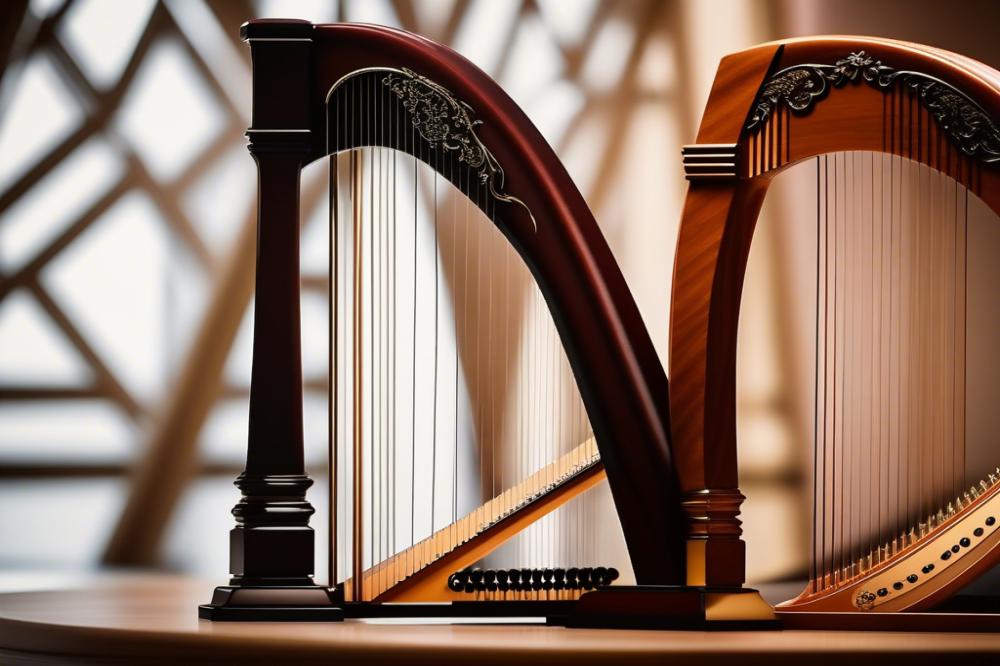
Assessing harp reputation is crucial for buyers. Many musicians rely heavily on user reviews and expert opinions when making purchasing decisions. These insights help shape perceptions about different models and manufacturers in the market.
When a brand has a solid reputation, it can significantly influence choices. Customers often prefer well-known brands, believing they offer better quality. Trust in a manufacturer’s craftsmanship leads to easier decisions when faced with various harp prices.
Looking at case studies, one can see how popular harp brands maintain their market presence. For instance, companies like Salvi and lever harps have set standards that many aspire to meet. Professional harpists frequently recommend these names due to their longevity and sound excellence.
The Role of Customer Service
Customer service plays a significant part in overall brand reputation. Buyers expect responsive support when they have questions or issues. A company that quickly addresses concerns can build lasting relationships with its clients.
An investigation into customer feedback reveals that many harp manufacturers often fall short in this area. While their instruments may boast impressive features, poor support can tarnish a brand’s image. That’s essential to consider, especially for beginners seeking guidance on their first harp.
Sound comparison of different harps often surfaces in discussions among players. The unique tones produced by certain brands can elevate performances. Therefore, composers and casual players alike weigh these factors alongside brand reputation when selecting a music instrument.
In conclusion, the interplay between harp craftsmanship, brand reputation, and user feedback forms a complex landscape. Those diving into the world of harps should carefully evaluate these aspects before making their final decisions.
Harp Prices
When looking at the world of harps, one cannot ignore the differences in harp prices. Many brands offer a wide range of price points, making it essential to compare them. Entry-level models can start at a few hundred dollars, while professional instruments may reach several thousand. For those just starting, these beginner harps are often more affordable, which is helpful for people new to playing.
Factors Influencing Harp Prices
Several aspects affect the cost of harps. Harp craftsmanship plays a significant role in determining how much a harp will cost. Often, instruments made from high-quality materials have a higher price tag. Manufacturers who use solid wood, for example, typically price their harps higher than those made with less expensive materials. Precision in construction also matters. Hand-crafted instruments tend to be priced above factory-made models. This dedication to craftsmanship can lead to better sound quality.
Affordability for Different Players
Beginners and professional harpists often have different budgets. New players usually look for an affordable option without sacrificing too much on quality. They might find that renting or choosing a lower-priced model suits their needs as they learn. In contrast, seasoned musicians often seek a more refined sound and build quality, which can justify a higher expenditure. Harp reviews often highlight these price differences and how they relate to functionality.
Value for Money
Analyzing harp features against cost can help potential buyers understand value for money. Players should consider sound comparison alongside price. A more expensive harp may offer superior tonal quality, while a less costly option might fall short. Features like pedal systems or the number of strings can significantly affect both usability and price. Savvy shoppers will weigh these features when deciding which model to purchase.
In summary, the cost of a harp does not exist in a vacuum. Understanding the various factors that influence prices can aid in making a well-informed choice. Whether you are a beginner or a seasoned performer, there are options available to suit your financial situation.
Harp Craftsmanship
Craftsmanship plays a fundamental role in producing harps. When a harp is made, skilled artisans carefully select materials to create instruments that resonate beautifully. This attention to detail makes all the difference. Quality craftsmanship elevates a harp’s sound and longevity, appealing to both beginner harps and seasoned professionals.
Materials Commonly Used
High-quality harps often feature materials that enhance their tonal qualities. Wood types such as maple, cherry, and mahogany are frequent choices among harp manufacturers. These woods are not only aesthetically pleasing but also contribute to the instrument’s overall sound. The choice of strings can vary, with nylon and gut strings offering different tonal characteristics. Woven with skill, these elements combine to produce rich, warm sound tapestries.
Impact of Craftsmanship
Sound quality and durability are directly tied to the craftsmanship of a harp. A well-constructed instrument resonates better, creating a fuller and more rounded tone. Additionally, careful assembly can prevent issues such as warping or cracking over time. Harp reviews often highlight how well-cared-for instruments tend to last longer and maintain their sound quality through the years.
Notable Brands for Craftsmanship
Several brands are renowned for their exceptional craftsmanship. For instance, Salvi Harps is appreciated worldwide for its fine details and elegant finishes. Their instruments are favored by many professional harpists who value precision and beauty in their music instruments. Another notable name is Lyon & Healy, famously known for producing harps that are both visually stunning and sonically superb. Their commitment to craftsmanship has built a strong harp reputation through generations.
In sound comparison, it becomes clear that craftsmanship can set brands apart. The features of a harp can make or break an aspiring musician’s experience. Those interested in purchasing these instruments should pay attention to reviews and seek out brands that prioritize handmade quality. Ultimately, exceptional craftsmanship is not just about aesthetics; it is about creating an instrument that inspires and captivates.
Sound Comparison
Importance of Sound Quality in Harp Selection
Sound quality plays a vital role in choosing a harp. Musicians of all levels understand that the tone and timbre can affect their performance. A harp with excellent sound can inspire players, while one with poor quality may disappoint. For professional harpists, this distinction can determine the success of their music. Beginners often find that a good sound can motivate practice and enhance learning.
Methodologies for Sound Comparison Between Different Harp Brands
To assess sound quality among various harp brands, specific methodologies are employed. Side-by-side listening tests allow musicians to compare tones directly. Different players might be blindfolded to prevent bias from visible attributes. Audio recordings provide another way to analyze sound, offering a chance to hear nuances at leisure. Alongside these methods, technical measurements, such as resonance and sustain, offer deeper insights into harp craftsmanship.
User Reviews and Expert Evaluations of Sound Quality
User reviews often highlight personal experiences with specific models. Engaging with communities of harp enthusiasts can provide valuable perspectives. Expert evaluations further enhance understanding. Well-respected harpists write detailed reviews, exploring various aspects that influence sound. These insights into harp reputation can guide potential buyers. They reveal not only the strengths of a model but also any potential weaknesses.
Highlighting Specific Models Renowned for Their Sound Excellence
Certain harps stand out for their unmatched sound. Models from renowned harp manufacturers have earned praise from musicians across genres. Consider the Salvi Daphne; it has received accolades for its rich, full tone. The Lyon & Healy Style 23 is another model celebrated by many for its clarity and projection. Each of these instruments showcases unique harp features that contribute to their exceptional sound. Whether one is looking for a professional instrument or a beginner harp, these options can satisfy diverse needs.
Harp Features to Consider
When selecting a harp, several key features stand out. These factors significantly affect performance and the overall playing experience. Sound quality, weight, and playability are just a few elements that players should closely examine. Harp prices often reflect these attributes. Generally, a higher price signifies better craftsmanship and materials, which in turn can enhance sound excellence.
Beginner Harps vs. Professional Models
Beginning musicians often start with beginner harps. These models are typically more affordable and lighter, making them easier to handle. Contrarily, professional models offer advanced features and superior sound quality. Professional harpists require instruments that can produce rich tones and withstand rigorous playing. Differences in string materials, frame construction, and overall design contribute to the distinction between these two categories of harps.
Unique Features Offered by Different Harp Brands
Many harp manufacturers take pride in offering distinct features. Some brands provide removable legs for easy transport, while others focus on unique string arrangements that impact sound comparison. You might find harps with adjustable tension systems or additional resonators. These innovations can elevate a player’s experience, catering to specific musical styles and personal preferences.
Choosing the Right Features for Your Playing Style and Needs
Selecting the right harp features involves understanding your own playing style. Are you looking for a portable instrument for casual performances? Or do you need something that resonates beautifully for professional gigs? Reading harp reviews can help you gather insights into different models. Taking the time to reflect on your needs ensures that the chosen harp complements your skills and aspirations.
Ultimately, the right harp can significantly affect your musical journey. Understanding the differences between models empowers you to make an informed decision. Each player’s journey is unique, and the right features will bolster that experience, whether you’re a budding musician or a seasoned professional.
Final Thoughts on Harp Selection
Throughout this article, we’ve touched on several important aspects when it comes to choosing a harp brand. One key point is the significance of harp reputation. A brand known for quality often gives players confidence in their instrument. Quality matters, especially when sound and craftsmanship shape the music you create.
Next, we discussed harp prices. It’s essential to find a balance between what you can afford and the quality you desire. Some brands offer entry-level models that do not compromise on sound, while others cater to professionals expecting top-tier craftsmanship.
Sound is another crucial aspect. Each brand provides its unique tone and character. Players have different preferences, so trying out various harps is a good idea. Experience is key; the sound you love might be the one you didn’t initially expect.
When contemplating which brand to select, think about your personal needs. Whether you’re a beginner or an advanced player, the right instrument should feel comfortable. Knowledge of your own playing style can guide you in making the best choice.
Exploration is vital. Visit stores, attend workshops, or join local harp gatherings to meet fellow music lovers. Engaging with different harp communities will enhance your understanding. Don’t shy away from trying multiple brands and models until you find the one that resonates with you the most.
In conclusion, let your journey with the harp be as fulfilling as the music it produces. Connect with retailers and harp enthusiasts to discover more about this beautiful instrument. Ultimately, finding a harp that suits your style and needs is a rewarding experience.

