

Exploring the Alesis SR-16: A Drum Machine for All Genres
The Alesis SR-16 stands out as a notable option among versatile drum machines, appealing to a wide array of musicians, producers, and beat makers. Its design facilitates ease of use, making it a popular choice for both beginners and seasoned professionals. This drum machine encompasses an extensive library of sounds that cater to different musical genres, including rock, jazz, and electronic music. Users often appreciate its ability to deliver high-quality rhythms that can enhance any production.
With 233 percussion sounds and 50 preset drum kits, the Alesis SR-16 provides a diverse sound palette. Additionally, it allows for the customization of beats through its user-friendly interface. Whether one is crafting intricate beats or simple patterns, this device accommodates various styles with impressive flexibility. Moreover, its built-in sequencer enables the easy creation of complex rhythms, appealing to both traditional musicians and modern beat makers.
Types of drum machines can vary significantly in features and usability, but this particular model offers a compelling balance of functionality and convenience. Many musicians prefer electronic devices that allow for immediate playback, making the SR-16 an excellent choice for live performances. Renowned for its reliability, this device is consistently used in both studio and stage environments. Furthermore, its compact build makes it portable, allowing artists to create on the go.
Digital drum machines like the Alesis SR-16 have transformed modern music production. They provide an accessible way to generate authentic-sounding beats that enhance compositional workflows. For those seeking a dependable and adaptable drum machine, this model remains a fundamental asset. Its unique blend of features allows users to explore numerous genres while experimenting with their musical creativity.
Overview of Alesis SR-16

Launched in 1990, the Alesis SR-16 revolutionized the landscape of rhythm machines. Designed primarily for musicians and producers, it quickly gained traction for its extensive features and affordability. The unit became a benchmark for versatility in the realm of drum machines.
This model addressed a growing demand for convenient tools in electronic music and beat making. Users appreciated its array of built-in sounds, which encompassed a variety of musical genres. These versatile drum machines allowed for creative expression in a professional setting without the need for expensive studio time.
As instruments evolved, so too did the market demand. The SR-16 positioned itself not only as a practice tool but also as a viable option for live performances. Musicians often relied on its reliability and ease of use, which provided an appealing alternative to traditional drumming setups.
Producers valued the machine’s authenticity and the quality of its drum sounds. Additionally, the ability to customize patterns and create unique performances made it a sought-after device for many. This functionality contributed significantly to the unit’s enduring popularity within the music community.
Throughout its lifespan, the Alesis SR-16 competed with several other rhythm machines. Key competitors offered similar features, but few matched its combination of price and performance. Many users found that this unit provided the utmost value for crafting intricate beats and backing tracks.
In an environment where music production techniques continuously evolve, its legacy remains influential. Many contemporary producers still draw inspiration from its design principles. The SR-16 exemplifies how a well-crafted drum machine can bridge the gap between technology and artistry.
Key Features of the Alesis SR-16
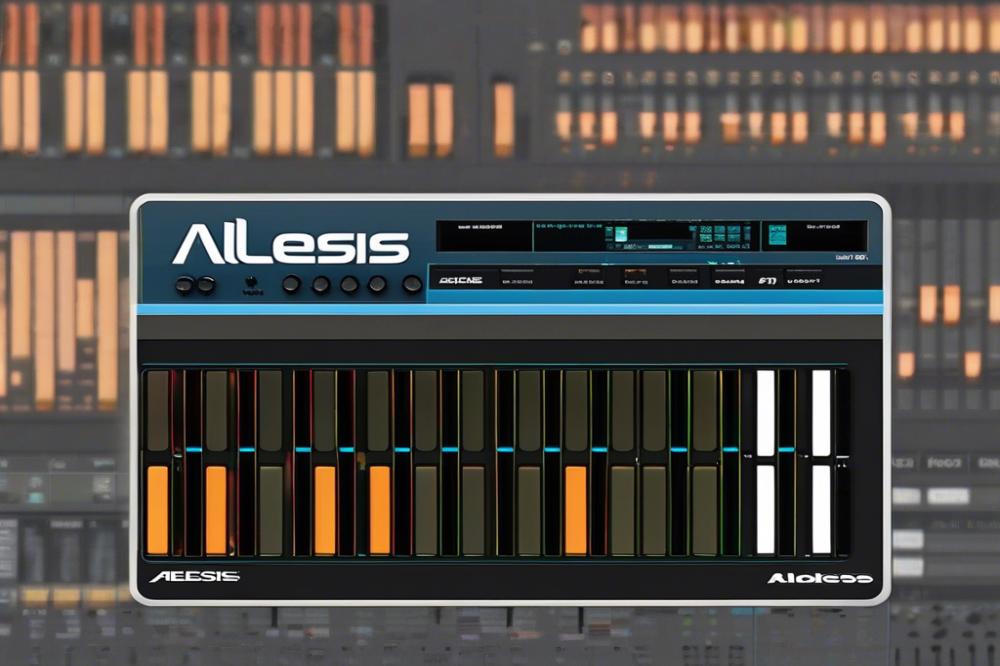
The Alesis SR-16 stands out among versatile drum machines, boasting a comprehensive sound library tailored for various styles. With 233 preset drum and percussion sounds, users have access to an extensive array of samples, ranging from classic acoustic kits to contemporary electronic beats. This diversity makes it ideal for anyone engaged in beat making across different genres.
Editing capabilities offer significant flexibility. Users can adjust parameters such as velocity, pitch, and pan for each sound. This level of control allows for fine-tuning performances to create a more personalized sound. Additionally, it is possible to layer sounds, which enriches the texture of beats.
Onboard effects enhance the overall creativity of the SR-16. It features reverb and delay options, providing depth to drum patterns. These effects can be applied in real-time, allowing users to experiment and shape their sound dynamically. Such capabilities are essential for producing polished tracks in the realm of electronic music.
The user interface is designed with ease of use in mind. A clear LCD screen presents information efficiently, simplifying navigation through menus and settings. This intuitive layout minimizes learning time, enabling users to focus on the creative process rather than technical complexities. The step sequencer is another valuable tool, allowing for rhythmic patterns to be programmed quickly.
Overall, this drum machine combines functionality and accessibility, making it a reliable choice for rhythm machines. Whether recording in a studio or performing live, the SR-16 delivers consistent quality. Its blend of diverse sounds, effective editing features, and user-friendly design makes it an essential device for modern music production.
Genre Versatility

The adaptability of the Alesis SR-16 across various music genres is remarkable. This drum machine functions effectively as a tool for beat making in rock, pop, electronic music, jazz, and hip-hop. Each style benefits from the array of sounds this rhythm machine offers.
In rock, the machine delivers robust and punchy drum sounds. Drummers can select from classic rock beats that emulate iconic tracks. The solid kick and snappy snares cater to those who appreciate energetic performances and high volumes.
Pop music often requires catchy and danceable rhythms. The SR-16 provides an extensive library of upbeat patterns and sounds. Users can easily modify these beats to suit different vocal melodies and tempo changes.
When it comes to electronic music, this device shines. Producers and artists can layer beats and incorporate synthesized sounds seamlessly. Its ability to create complex drum patterns makes it one of the more versatile drum machines available.
Jazz musicians can also take advantage of the SR-16’s capabilities. The device allows for more intricate and subtle rhythms, lending itself to swing and brush patterns. This flexibility enhances improvisation sessions, which are central to jazz performances.
Hip-hop producers often seek unique drum samples to craft their sound. The drum machine supplies diverse loops that resonate well with both classic and contemporary styles. Many appreciate the ease of layering samples to generate intricate compositions.
Tenacity is apparent in the way this instrument adapts to the fluctuating needs across genres. Musicians value the flexibility and powerful options it provides. Therefore, it is an essential component for anyone exploring different musical landscapes.
Integrating the Alesis SR-16 in a Studio Setup
Incorporating versatile drum machines like the Alesis SR-16 can significantly enhance both home and professional studio environments. With its robust connectivity options, this instrument can seamlessly integrate into various workflows. Musicians and producers will find that it operates well alongside other music production tools.
The MIDI connectivity allows users to connect the SR-16 to computers or other MIDI-compatible devices. This feature’s utility becomes apparent when utilizing digital audio workstations (DAWs) for beat making. Whether working with Logic, Ableton Live, or FL Studio, the drum machine’s quantization abilities make it a great candidate for modern electronic music creation.
Audio connections offer flexibility as well. The SR-16 provides stereo outputs, allowing for direct linking to an audio interface or mixer. This simplicity grants users easy access to the unit’s distinctive sound palette while maintaining clear audio fidelity. Producers can record individual drum sounds on separate tracks, offering a level of control well-suited for mixing.
Additionally, the device’s built-in rhythms can be used as a foundation for developing intricate drum patterns. These rhythm machines come equipped with a vast library of preset patterns, providing a starting point for those exploring various genres. Musicians can modify these patterns or create custom beats that align with their creative vision.
Utilizing the SR-16 in a studio doesn’t just serve as a standalone device. It can radiate creativity when synchronized with other equipment. Connecting it with synthesizers or samplers opens up new avenues for sound exploration. For example, layering synthesized basslines over mechanical beats can yield a rich, engaging listening experience.
Those interested in live performances can also benefit from its integration. Setting the drum machine up alongside other performance gear allows for a dynamic stage presence. Real-time control can add a level of spontaneity, making each performance unique and responsive to the audience’s energy.
The user interface is intuitive, making it accessible for both novice and experienced musicians. Navigating its menu and settings does not require extensive technical knowledge. This ease of use fosters a productive environment, allowing users to spend more time creating rather than troubleshooting.
Compatibility with effects processors further enhances its appeal. By routing the drum machine’s sounds through various effects, producers can transform basic beats into more complex sonic textures. Reverb and delay can add depth, while distortion may introduce grit, bridging the gap between genres.
Beat Making with the Alesis SR-16
Exploring beat making can be an exhilarating journey with versatile drum machines like the Alesis SR-16. Step sequencing is fundamental to creating intricate beats. Utilizing the grid format, you can easily lay down a basic rhythm. Begin with a kick drum on the downbeat. Add snare on the backbeat for a typical groove.
Patterns are the backbone of any rhythmic composition. Start simple, perhaps a four-bar loop, to help establish the core of your track. Gradually increase complexity by layering additional elements. Incorporating hi-hats can help fill out the sound. Experimenting with different velocities for each note can introduce dynamic variation.
Furthermore, exploration of sound options is crucial. The SR-16 includes a diverse selection of modes that cater to various genres, including electronic music. Users can tweak parameters to create unique sounds that integrate well into their compositions. Applying effects can also enhance your beat further. Compression and reverb may add depth to the overall mix.
Being mindful of the machine’s features can significantly benefit the beat-making process. Utilizing the sectional play function allows you to switch between different patterns seamlessly. This option can be a vital tool when performing live or creating wanted transitions. Save all your creations in the onboard memory for easy recall.
Lastly, practice remains essential. Continuously refine your skills through experimentation. Work on understanding timing and syncopation more intimately. This dedication will yield creative and engaging rhythms capable of elevating any composition.
User Testimonials and Reviews
Musicians and producers have widely shared their insights regarding versatile drum machines like the Alesis SR-16. Many users appreciate its user-friendly interface, which simplifies beat making. One guitarist noted, “It’s incredibly easy to integrate with my setup. I can quickly dial in the perfect rhythm.” This sentiment highlights the device’s accessibility for anyone, from beginners to seasoned professionals.
Electronic music artists often praise the quality of the samples. A producer specializing in this genre remarked, “The drum sounds are punchy and just what I need for my tracks.” This positive feedback reflects a consistent appreciation for the sound quality. However, not all reviews are overwhelmingly positive. Some users have expressed concerns about the drum machine’s age, suggesting that it may not offer the latest features found in more modern rhythm machines.
One critique came from a songwriter who felt limited by the preset patterns. “While there are many available, I sometimes find them generic,” they stated. This viewpoint raises a valid point, particularly for those seeking distinct sounds that stand out. Alternatives exist, but many users believe that creativity can arise even from standard presets with a bit of tweaking.
Another producer mentioned the durability of the device. “I’ve dropped it a few times, and it still works perfectly,” they shared. Reliability like this is often a strong selling point. In live settings, especially, having gear that withstands the rigors of travel is crucial for many musicians.
There’s a consensus that the Alesis SR-16 is effective for various genres, not just electronic music. A rock drummer highlighted its versatility, commenting that it fits well into their practice sessions. “I use it to lay down drum tracks that complement my playing,” they shared, illustrating the machine’s adaptability.
Overall, feedback about this drum machine is mixed yet generally favorable. It excels in providing a solid foundation for beat making, while some critiques help illuminate aspects for potential improvement. Gathering these perspectives paints a comprehensive picture of what users can expect when they decide to incorporate it into their musical endeavors.
Comparing Alesis SR-16 with Other Drum Machines
The Alesis SR-16 stands as a notable contender among versatile drum machines available today. It targets a broad spectrum of musicians and genres. Several other prominent models merit discussion in comparison.
For instance, the Roland TR-8S emphasizes a fusion of classic sounds and modern features. Its strong point lies in the ability to replicate iconic drum sounds from past eras. On the other hand, it may deter some users due to its higher price tag and complicated interface. The flexibility it offers for beat making is undeniable, but not everyone seeks such depth.
Korg’s volca beats introduces an analogue flavor. This compact rhythm machine excels in portability and budget-friendliness. Users do appreciate its straightforward workflow, particularly for live performances. Detractors might find its limited sound selection somewhat restrictive, especially when looking for expansive libraries.
In contrast, the Yamaha RX5 impresses with its robust sampling capabilities. While it offers full-level sounds that serve a variety of genres, the RX5 struggles to keep pace with more current technologies. Its interface can be cumbersome, which may hinder a smooth creative process.
Noteworthy too is the Elektron Model:Cycles, which showcases a unique FM synthesis engine. This approach allows for intricate sound design. While powerful, it has a steep learning curve that could discourage beginners in electronic music. The unique selling point is its hands-on interface, fostering a more interactive experience during beat creation.
Each machine brings its own strengths and weaknesses to the table. Diverse in affordability and functionalities, they cater to different user needs. Understanding these differences assists musicians in choosing the right rhythmic companion for their artistic journey.
In the end, exploring these options highlights the Alesis SR-16’s mix of user-friendliness and sound diversity. It appeals to both newcomers and seasoned artists. Each drum machine serves a purpose. Selecting the right tool often depends on individual goals and styles.
Final Thoughts
The Alesis SR-16 stands out as a multifaceted tool in the realm of music production. Its extensive library of sounds covers an array of genres, making it an exceptional choice for musicians and producers alike. From rock to hip-hop, this device accommodates various styles with remarkable ease.
Users will appreciate its straightforward interface, which facilitates quick adjustments and creativity. The diversity in its built-in patterns empowers artists to explore Drum machine techniques that suit their artistic vision. Moreover, the ability to create custom patterns enhances the personalization of each track.
Listeners may find familiar sounds reminiscent of iconic drum machines like the TR-808, bridging the gap between classic and modern music production. Versatility remains a key strength, enabling both novice and experienced users to engage deeply with their musical projects.
In summary, this drum machine emerges as an indispensable addition for anyone looking to elevate their sound. Delve into its features and capabilities, and consider integrating this instrument into your creative toolkit. It has the potential to unlock new possibilities and inspire unique musical expressions.

