

Exploring the Role of the Harpsichord in Baroque Music
The Harpsichord holds a significant position in the tapestry of historical music during the Baroque period. This era, characterized by its ornate artistic expression, featured various instrumental advancements. Among these instruments, the harpsichord emerged as a favored choice for composers and musicians. Its distinctive sound and ability to convey complexity made it an essential element in early music ensembles. The instrument provided a foundation for harmony, complementing the rich textures of string instruments common at that time.
Typically, the harpsichord operates using a mechanism that plucks strings, a feature that differentiates it from modern pianos. With multiple sets of strings, players could achieve various tonal colors, enriching the overall musical experience. Tastemakers of the time appreciated how the instrument’s sound could fill grand halls yet maintain clarity. This versatility allowed the harpsichord to accompany vocalists and blend seamlessly with the booming strings of orchestras.
In the context of Baroque music, composers like J.S. Bach and Handel frequently utilized the harpsichord. Such creations often showcased the instrument’s dynamic range and expressive capabilities. Its role went beyond mere accompaniment; the harpsichord also enjoyed moments in the spotlight, showcasing virtuosic performances. Within the framework of Keyed string instruments, it was an entity that helped shape the evolution of keyboard music.
Understanding the harpsichord’s contributions provides insight into the broader musical landscape of the Baroque period. The instrument’s historical context reflects a time when texture and ornamentation were paramount. Consequently, its unique characteristics significantly impacted composers and musicians, allowing for a layered and intricate sound. This exploration into the harpsichord reveals why it remains a focal point of interest and study within the domain of early music.
The Harpsichord in Baroque Music

Within the realm of historical music, the harpsichord emerged as a primary continuo instrument during the Baroque period. This instrument played a fundamental role in shaping the harmonic landscape of countless compositions. Early music ensembles often relied on its distinctive sound to reinforce the harmonic structure, giving musicians a cohesive foundation upon which to build.
This keyboard instrument does not merely provide chords; it interacts dynamically with string instruments and other voices. Through its crisp articulation, the harpsichord supports melodies while offering a rich tapestry of harmonic color. Composers such as J.S. Bach and Handel wrote specific partitas and suites, showcasing optimal use of the harpsichord’s capabilities in both solo and ensemble settings.
In intimate chamber music, the harpsichord’s ability to blend seamlessly with other instruments was vital. Players used it to create a dialogue with violins and cellos. Often, the swirling lines of the continuo would propel the entire ensemble forward, enriching the musical conversation. Without this instrument, many Baroque compositions would lack the depth they are celebrated for today.
The harpsichord’s unique timbre contrasts beautifully with the warmth of strings. Its plucking mechanism allows it to produce distinct dynamics, guiding the emotional flow of specific pieces. Musicians often adorned the music with ornamentation, using the harpsichord to enhance these embellishments. For them, this approach was essential in achieving the stylistic virtuosity of the era.
Historical Context of the Harpsichord
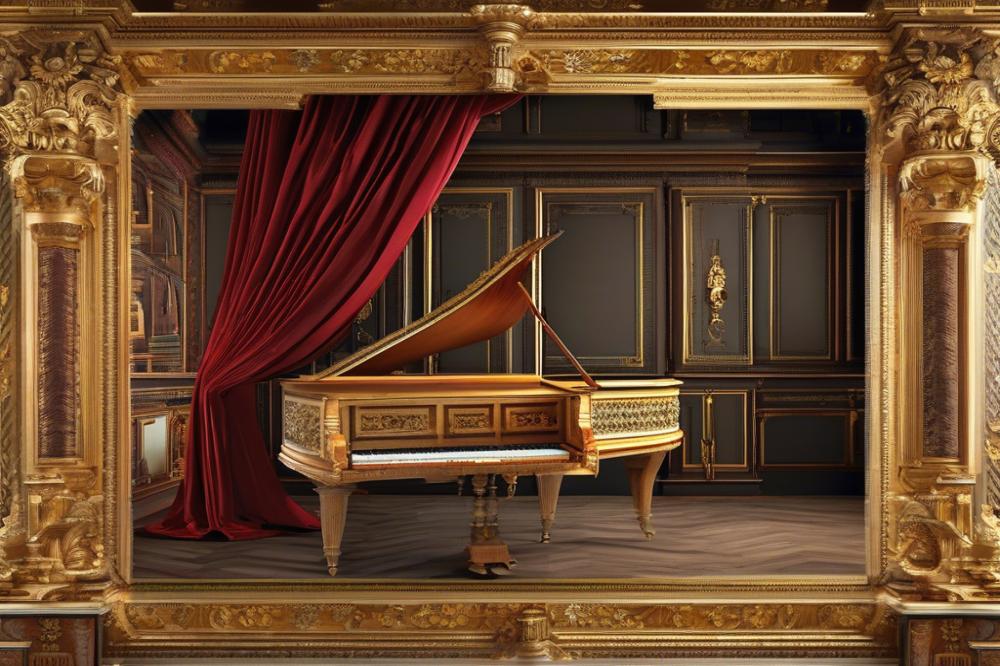
The harpsichord’s origins can be traced back to the Middle Ages, evolving from earlier keyboard instruments like the organ and psaltery. By the late Renaissance, this string instrument was gaining prominence across Europe. Its design incorporated plucking mechanisms that distinctly differentiated it from the piano, which did not emerge until much later.
During the Baroque period, historical music embraced rich ornamentation and complex counterpoint. The harpsichord became integral to this transformation, complementing vocal works and elaborate compositions. Instruments began to feature multiple manuals and varied stops, allowing musicians to explore different tonal colors.
Cultural trends significantly influenced the instrument’s advancement. The rise of early music ensembles highlighted the importance of authentic performance practices. Baroque composers, including J.S. Bach and Handel, wrote extensively for the harpsichord, enhancing its reputation as a key instrument in chamber music. These compositions often showcased the capabilities of both performers and the instrument itself.
As string instruments flourished in this period, the harpsichord occupied a unique space within ensembles. It provided continuity through its harmonic support, while also offering opportunities for virtuosic display. Its role became increasingly prominent in not only solo works but also as a continuo instrument, underlining the harmonic foundation for other performers.
Technological advancements played a crucial role in the harpsichord’s evolution. Builders experimented with various materials and construction methods, leading to diverse styles across regions. The French and Italian schools of harpsichord making yielded instruments with distinct characteristics, reflecting national tastes and aesthetic values. Different geographical contexts gave rise to a variety of timbres and resonances, ultimately enriching Baroque music.
During this era, the instrument’s use extended beyond aristocratic salons into public concerts. The harpsichord’s dynamic was an attractive element for audiences, drawing them into the intricate sound world of Baroque compositions. This period didn’t merely solidify its status but also set a precedent for the subsequent role of keyboard instruments in Western music history.
The Harpsichord’s Unique Sound

The tonal qualities of the harpsichord are distinctive and compelling. Its sound is characterized by a bright, crisp timbre that stands in stark contrast to the warmth of the piano. While modern keyboard instruments emphasize dynamic range, the harpsichord remains relatively consistent in volume. This quality can be attributed to its plucking mechanism, which produces a sharp attack followed by a rapid decay.
Ensemble settings highlight the instrument’s unique role, especially within early music ensembles. In these contexts, the harpsichord complements string instruments, creating a blend that is both harmonious and vibrant. Unlike bowing techniques found in strings, the plucked strings of the harpsichord offer a different articulation. This difference can bring an exciting texture to Baroque period compositions, where subtle nuances play a significant role in the overall soundscape.
When comparing it to the organ, the harpsichord excels in agility. Organ music often conveys grandeur and depth, utilizing sustained tones that the harpsichord cannot replicate. Instead, the latter allows for a greater clarity in polyphonic textures. This clarity becomes especially apparent in works by composers such as J.S. Bach, where intricate voicings demand precise articulation.
Furthermore, the instrument flourishes in dynamic interplay with other instruments. Violinists or cellists often use the harpsichord’s articulatory characteristics to enhance their melodic lines. This synergy creates an engaging dialogue between the instruments, enriching the listening experience. The timbral differences can lead to a captivating musical conversation, critical to Baroque aesthetics.
Musicians and historians alike recognize the harpsichord’s historical significance in shaping the sound of early music. Its practice has evolved but still resonates with the essence of Baroque music. Understanding its role in ensembles requires an appreciation for what makes this instrument stand out. Observing performances can illuminate the interplay of tone and texture, showcasing how the harpsichord’s unique qualities contribute to the overall artistry.
Key Composers and Works Featuring the Harpsichord
Several notable composers from the Baroque period significantly impacted the use of the harpsichord in their works. J.S. Bach remains one of the most influential figures. His compositions, renowned for intricate textures, often feature the instrument prominently. Noteworthy pieces such as the “Goldberg Variations” and the “Harpsichord Concertos” illustrate his mastery of early music. These works showcase the instrument’s range and expressiveness.
Another composer deserving mention is Johann Friedrich Agricola, a student of Bach. His “Sonatas and Partitas for Harpsichord” highlight the instrument’s capability to engage with string instruments. Fischer also contributed to the repertoire with his “Ariadne Musica.” This collection emphasized the harpsichord’s unique role within small ensembles, creating a rich dialogue between instruments.
Handel, too, made profound use of the harpsichord. His “Concerti Grossi” and operas feature the instrument in various roles. The “Water Music,” especially, employs the harpsichord to add texture and flourish. These interactions with orchestral strings expand the harmonic possibilities and enrich the overall sound.
Many early music ensembles today often emphasize these composers’ works. Their interpretations breathe new life into historical music with varied performance styles. Exploring these compositions offers insights into the ways the harpsichord shaped not only individual pieces but also Baroque music as a whole. Its vital role cannot be overstated.
The Harpsichord in Early Music Ensembles
The role of the harpsichord in early music ensembles is vital. It often serves as both a solo and continuo instrument in the Baroque period. In this context, the harpsichord provides harmonic support and texture, anchoring the ensemble’s overall sound. String instruments frequently interact with the harpsichord, creating a dialogue that enriches the performance.
Collaboration among musicians is essential for achieving the intended musical expression. Violinists and cellists rely on the harpsichord to shape their phrasing and dynamics. The instrument’s distinct timbre complements the warm resonance of strings. Musicians draw on this synergy to enhance the interpretation of historical music.
Improvisation played a crucial role during the Baroque era. Harpsichordists often embellished written music, adding a personal touch to performances. They followed the ensemble’s flow while showcasing individual artistry. This practice highlights the necessity for musicians to communicate effectively.
Performing with a harpsichord requires a nuanced understanding of the period’s stylistic conventions. Musicians must adjust their playing techniques according to the harpsichord’s characteristics. This relationship builds a cohesive sound and deepens the listener’s experience. Furthermore, the interplay between instruments opens avenues for expressive possibilities.
The instrument’s role transcends mere accompaniment. It embodies the spirit of collaboration within early music ensembles. As performances unfold, the harpsichord takes on various functions from rhythmic support to melodic embellishment. In this way, it contributes to the richness of baroque performances, creating an intricate tapestry of sound.
Preservation and Revival of the Harpsichord
The harpsichord experienced a renaissance in the late 20th century, igniting interest within classical music circles. Scholars and musicians sought to revive historical music practices, especially those from the Baroque period. The instrument’s distinct sound has become a focal point for early music ensembles striving to recreate the authenticity of past performances.
Many contemporary artists have embraced the harpsichord, incorporating it into modern compositions and interpretations. Renowned musicians like Trevor Pinnock and Mahan Esfahani have gained recognition for their skillful renditions of both traditional and innovative pieces. Their passion for this instrument has inspired a new generation of harpsichordists, blending historical styles with contemporary expression.
Early music ensembles have proliferated, reflecting a growing appreciation for historically informed performance. These groups often utilize string instruments alongside the harpsichord to replicate the rich textures of Baroque compositions. Notable ensembles, such as the Academy of Ancient Music, showcase the harpsichord’s pivotal role in their arrangements, demonstrating its versatility and charm.
Education plays a crucial role in sustaining this revival. Institutions across the globe now offer specialized programs dedicated to historical performance practices. Young musicians eagerly learn the intricacies of the harpsichord, ensuring that its legacy endures in future generations. Through festivals and workshops, opportunities abound for artists to hone their craft and collaborate with like-minded individuals.
As the revival continues, the harpsichord’s presence is felt at concerts, recordings, and educational events. The blending of old and new captivates audiences, showcasing the instrument’s enduring appeal. Listeners can experience the dialogues between the harpsichord and other instruments, enhancing the overall texture of Baroque music. Every performance serves as a reminder of the harpsichord’s unique place in the musical landscape.
Future of the Harpsichord
The relevance of the harpsichord in contemporary music is noteworthy. While primarily associated with historical music from the Baroque period, its sound continues to captivate modern audiences. Early music ensembles often incorporate this instrument, creating an interesting blend of old and new musical ideas.
Musicians around the world are exploring innovative approaches. Collaborations with string instruments can lead to refreshing interpretations of traditional compositions. Artists draw inspiration from various genres, blending the harpsichord’s timbre with modern techniques. These fusions spark curiosity and draw in listeners from diverse backgrounds.
Technology also plays a role in rejuvenating the harpsichord’s presence. Digital platforms enable wider access to recordings and performances. Streaming services host a range of harpsichord works, often paired with genres like jazz or electronic music. Thus, the barrier between historical authenticity and contemporary creativity continues to blur.
Young composers frequently experiment with the instrument today. The distinct character of the harpsichord allows for expressive nuances that are often overlooked. Furthermore, workshops and educational programs introduce new generations to its unique sound. This engagement is vital for keeping the instrument relevant.
As artists venture into unconventional realms, the potential for collaboration expands. Blending baroque techniques with modern practices allows for exciting discoveries. The harpsichord might one day find its place in pop music or film scores, reaching audiences far beyond classical circles.
Final Reflections
The harpsichord occupies a pivotal role in the landscape of Baroque music. Its distinctive timbre and unique capabilities contributed significantly to the musical fabric of the 17th and 18th centuries. This instrument allowed composers to explore intricate harmonies and express varied emotions, leaving an indelible mark on the era’s sound. Notably, figures such as Bach and Handel utilized the harpsichord not merely as an accompaniment but as a vehicle for their most profound ideas.
Through the lens of Instrument history, the harpsichord stands out alongside other keyboard instruments like the Clavichord. While the latter offered a more nuanced expressiveness, the harpsichord’s brilliant sound and percussive touch defined the prevailing aesthetic of its time. Musicians and composers alike found in its strings and plucking mechanism endless avenues for creativity.
As musical tastes evolved, the harpsichord gradually receded from prominence, overshadowed by the piano’s dynamic range. Nevertheless, its influence endures in contemporary compositions and performance practices. Modern artists frequently evoke the character of Baroque music, often employing the harpsichord to recreate that vibrant sound world.
In summary, the significance of the harpsichord in Baroque music cannot be overstated. It not only shaped the period’s musical landscape but also paved the way for future developments in keyboard artistry. Embracing both tradition and innovation, this instrument remains a testament to the rich complexities of musical expression, echoing through time to inspire today’s musicians.

